Tanzania-Born Safari Specialists
Climbing Mount Kilimanjaro is one of the world’s greatest adventures — a journey through rainforests, alpine deserts, and icy summit landscapes toward the roof of Africa. While thousands of climbers successfully reach the summit every year, trekking at high altitude also comes with risks and challenges that make proper travel insurance absolutely essential with Kilimanjaro Raven.
Many travelers focus on physical training and gear preparation but overlook the importance of comprehensive mountain trekking insurance. From altitude sickness and medical emergencies to trip delays and lost luggage, having the right insurance coverage provides peace of mind and financial protection throughout your Kilimanjaro adventure.
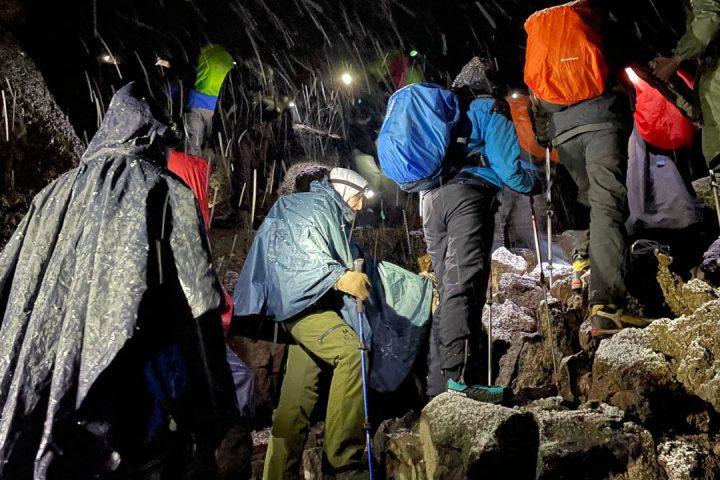
A Kilimanjaro climb takes you to an elevation of 5,895 meters (19,341 feet), where weather conditions, altitude, and remote environments require careful planning and preparation.
While the experience is incredibly rewarding, unexpected situations can occur even for experienced hikers.
A suitable Kilimanjaro insurance policy may help protect against:
Comprehensive coverage allows climbers to focus on the adventure with greater confidence.
Not all travel insurance policies automatically cover high-altitude trekking.
At Kilimanjaro Raven, we strongly recommend selecting insurance that specifically includes:
Always review policy details carefully before booking your climb
Choosing the right policy requires understanding the unique conditions of mountain trekking.
Altitude sickness can affect climbers regardless of age or fitness level.
Although Kilimanjaro routes are well organized, medical facilities on the mountain itself are limited due to the remote environment.
Unexpected events before departure can disrupt travel plans.
Insurance may help recover costs related to:
Kilimanjaro Raven Tip: Booking flights and climbs well in advance makes cancellation protection especially valuable.
Mountain gear is essential for a safe climb.
This protection is particularly important for international travelers carrying expensive hiking gear.
Evacuation procedures are one of the most critical parts of mountain safety planning.
If a climber becomes seriously ill or injured, evacuation may involve:
Mountain rescues can be expensive without insurance coverage.
Before traveling, confirm that your insurance provider covers high-altitude trekking and emergency evacuation on Mount Kilimanjaro.
To help you plan your Kilimanjaro Raven, use this table to align your travel goals with the movement of the herds.
| Coverage Type | Why It Matters | Recommended For | Important Notes |
|---|---|---|---|
| Medical Insurance | Emergency treatment | All climbers | Must include trekking altitude |
| Evacuation Coverage | Rescue assistance | High-altitude treks | Verify mountain evacuation terms |
| Trip Cancellation | Financial protection | International travelers | Covers unexpected disruptions |
| Baggage Protection | Trekking gear security | Multi-flight journeys | Useful for expensive equipment |
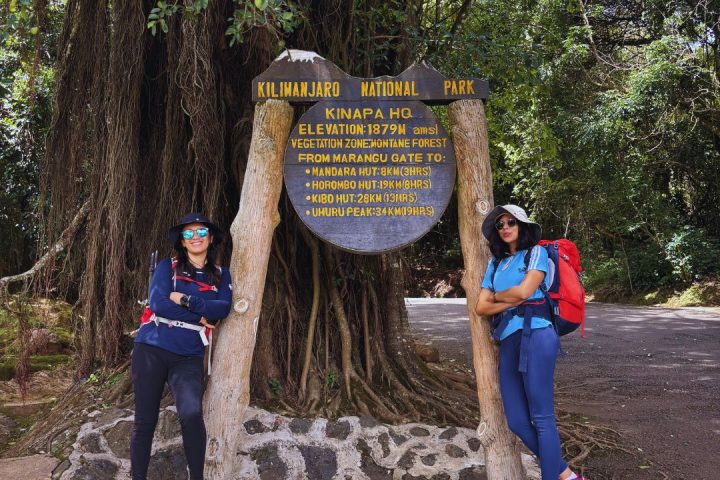
Travel insurance is not simply an extra expense — it is an essential part of preparing for a safe and responsible mountain adventure. Proper coverage protects both your health and your investment while allowing you to fully enjoy the incredible experience of climbing Africa’s highest peak.
From unexpected weather changes to altitude-related emergencies, insurance helps ensure you are prepared for the challenges of high-altitude trekking.
Contact the Kilimanjaro Raven team today to begin planning your unforgettable trek on Mount Kilimanjaro. Our experienced experts are ready to guide you safely, professionally, and confidently toward the summit of Africa’s highest mountain.