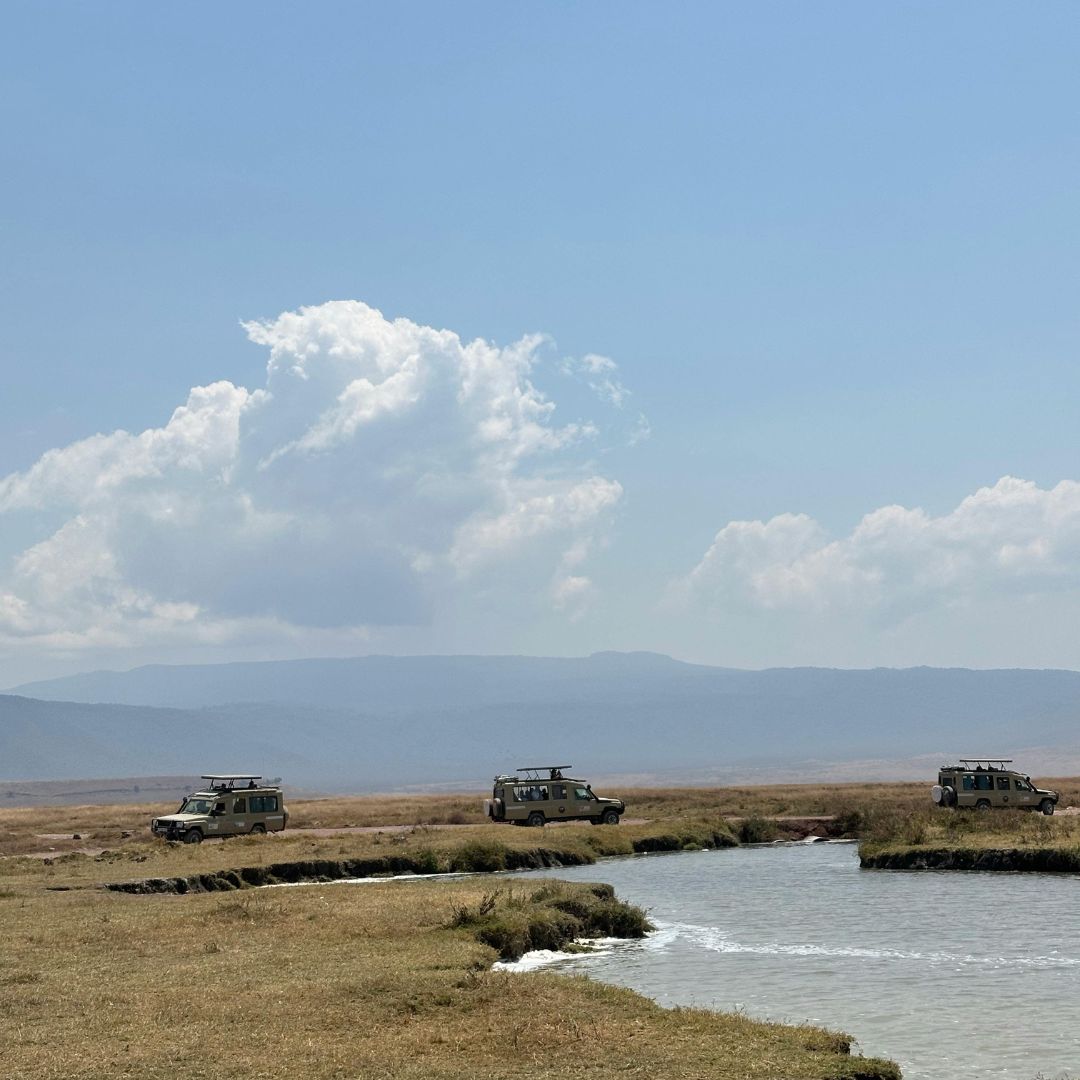
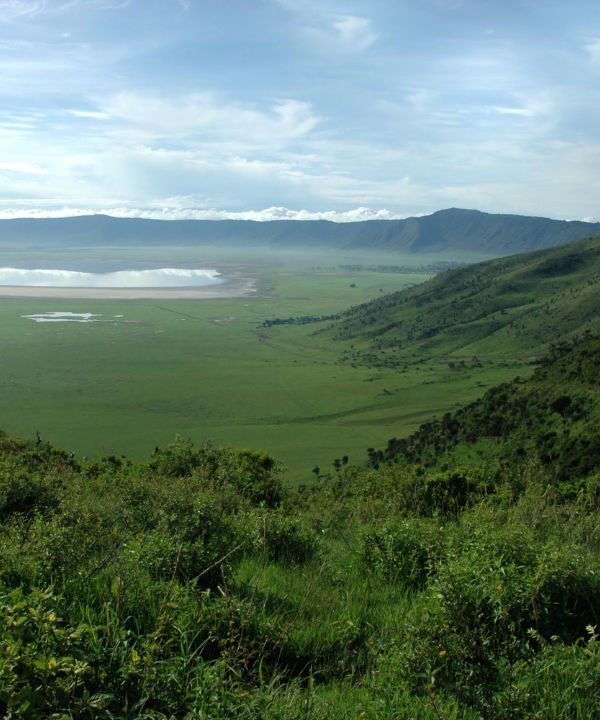
Where emerald forests, flamingo-lined shores, and tree-climbing lions create Tanzania’s most dramatic small park safari.
Established
1959
Area
8,292 km²
Big Five
All Present
Best Time
Jun – Oct
About the Crater
The Ngorongoro Conservation Area is one of Africa’s most extraordinary natural wonders — a UNESCO World Heritage Site centered around the world’s largest intact volcanic caldera. Formed roughly two million years ago when a giant volcano collapsed inward, the Ngorongoro Crater measures over 260 km² and creates a self-contained wildlife ecosystem unlike anywhere else in Africa.
Its fertile crater floor supports an astonishing density of animals year-round, including lions, elephants, buffalo, hippos, hyenas, flamingos, and one of Tanzania’s best chances of spotting the critically endangered black rhino. Beyond the crater itself, the conservation area stretches across vast highlands, forests, Maasai villages, and plains that connect directly to the Serengeti ecosystem.
Regions of the Crater
Four Landscapes, One Natural Wonder.
Crater Floor
Wildlife Heartland
The crater floor hosts one of Africa’s highest wildlife densities, where predators and herbivores coexist within a naturally enclosed ecosystem.
Big Five sightings
Black rhino habitat
Dense predator populations
Year-round wildlife
Lerai Forest
Yellow Fever Tree Forest
A lush acacia forest famous for large bull elephants, leopards, monkeys, and shaded picnic sites.
Tusker elephants
Leopard territory
Forest birdlife
Scenic game drives
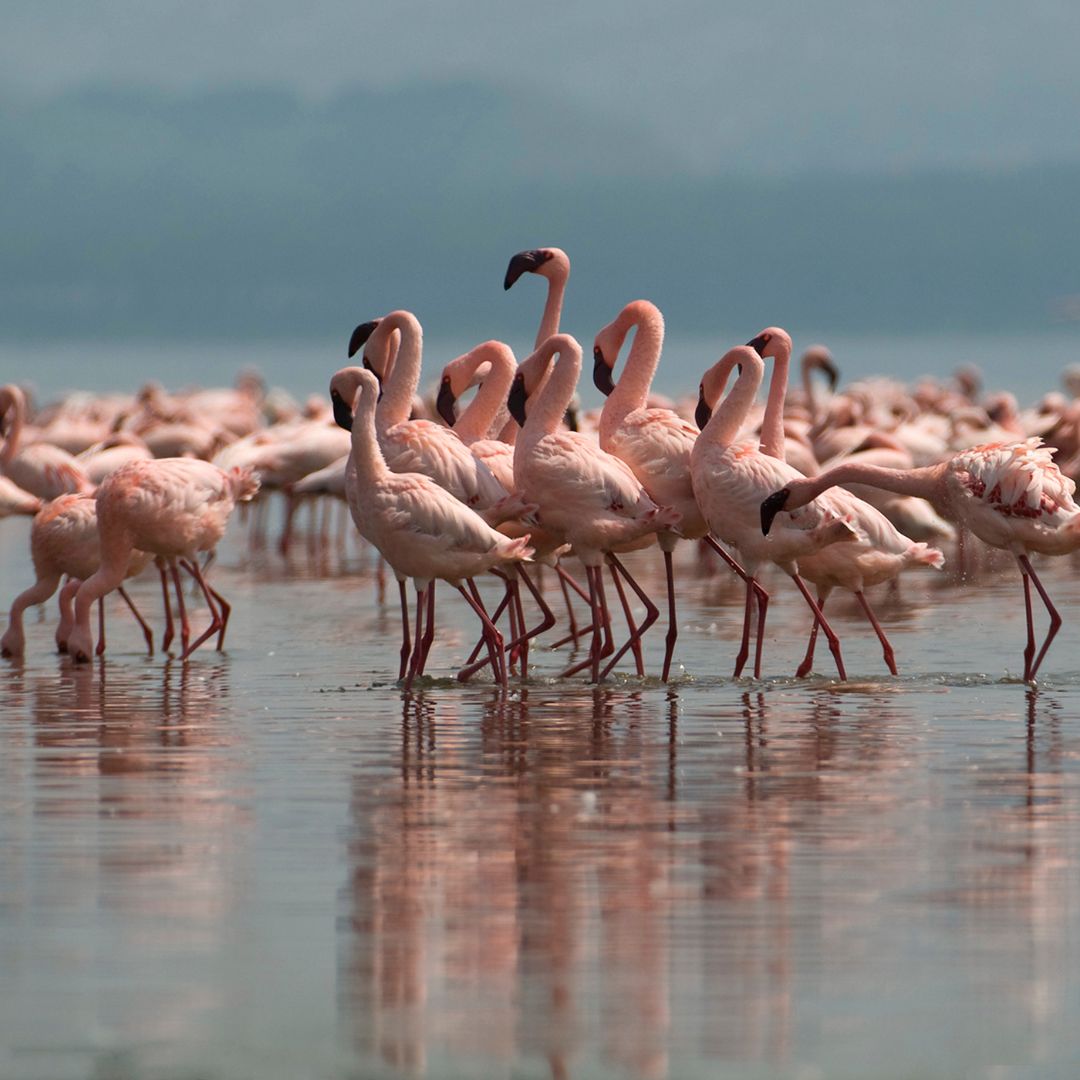
Lake Magadi
Flamingo Lake
A shallow alkaline lake attracting flamingos, hippos, and countless waterbirds throughout the year.
Seasonal flamingos
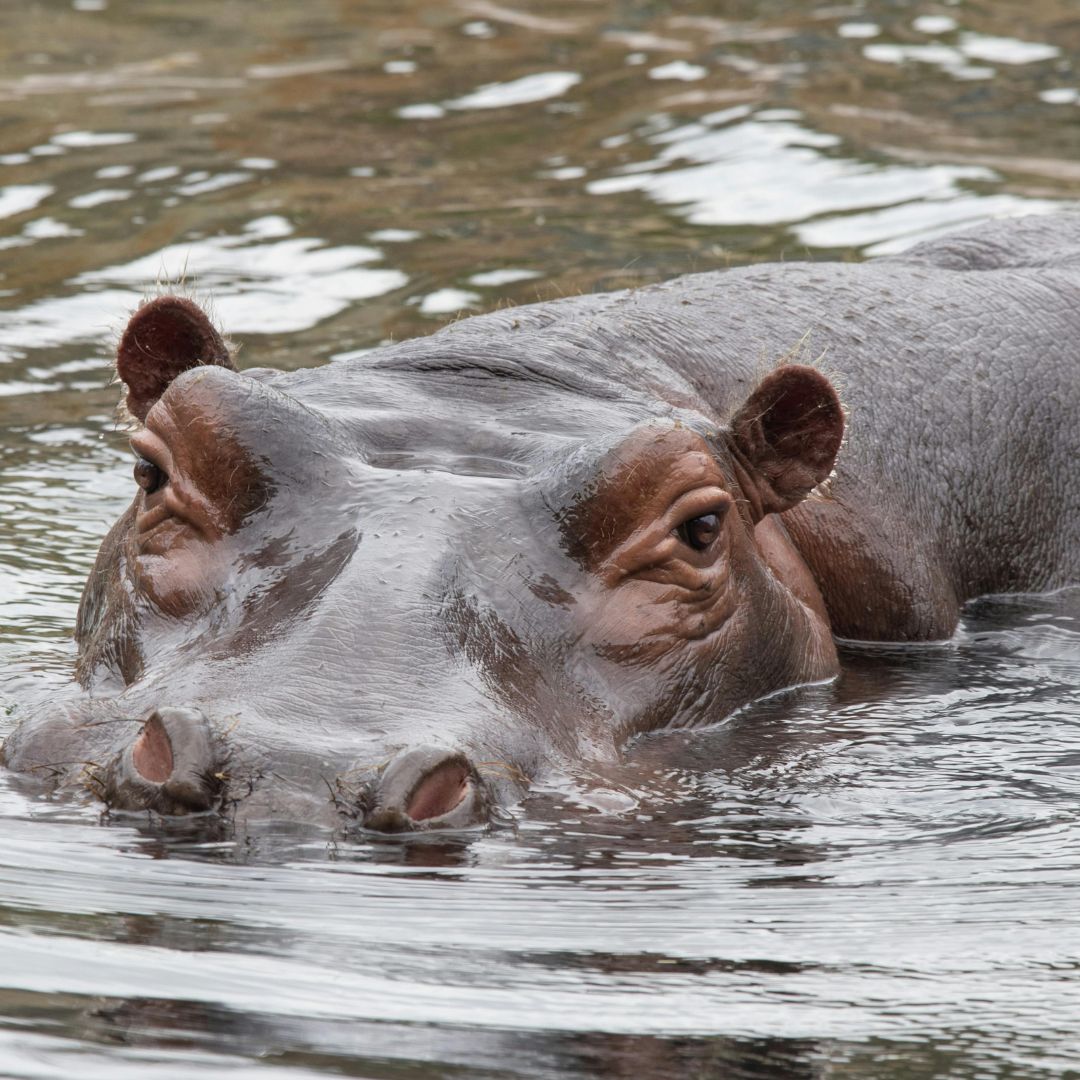
Hippo pools
Waterbird photography
Scenic crater views
Crater Rim Highlands
Panoramic Highlands
The forested crater rim rises over 2,200 meters above sea level, offering dramatic viewpoints and cool mountain air.
Panoramic viewpoints
Luxury crater lodges
Highland forests
Sunrise photography
Wildlife of Ngorongoro
Africa’s Natural Wildlife Sanctuary
From endangered black rhinos and giant tusker elephants to lions, flamingos, and crater-floor predators, Ngorongoro offers one of the richest safari experiences in Africa.
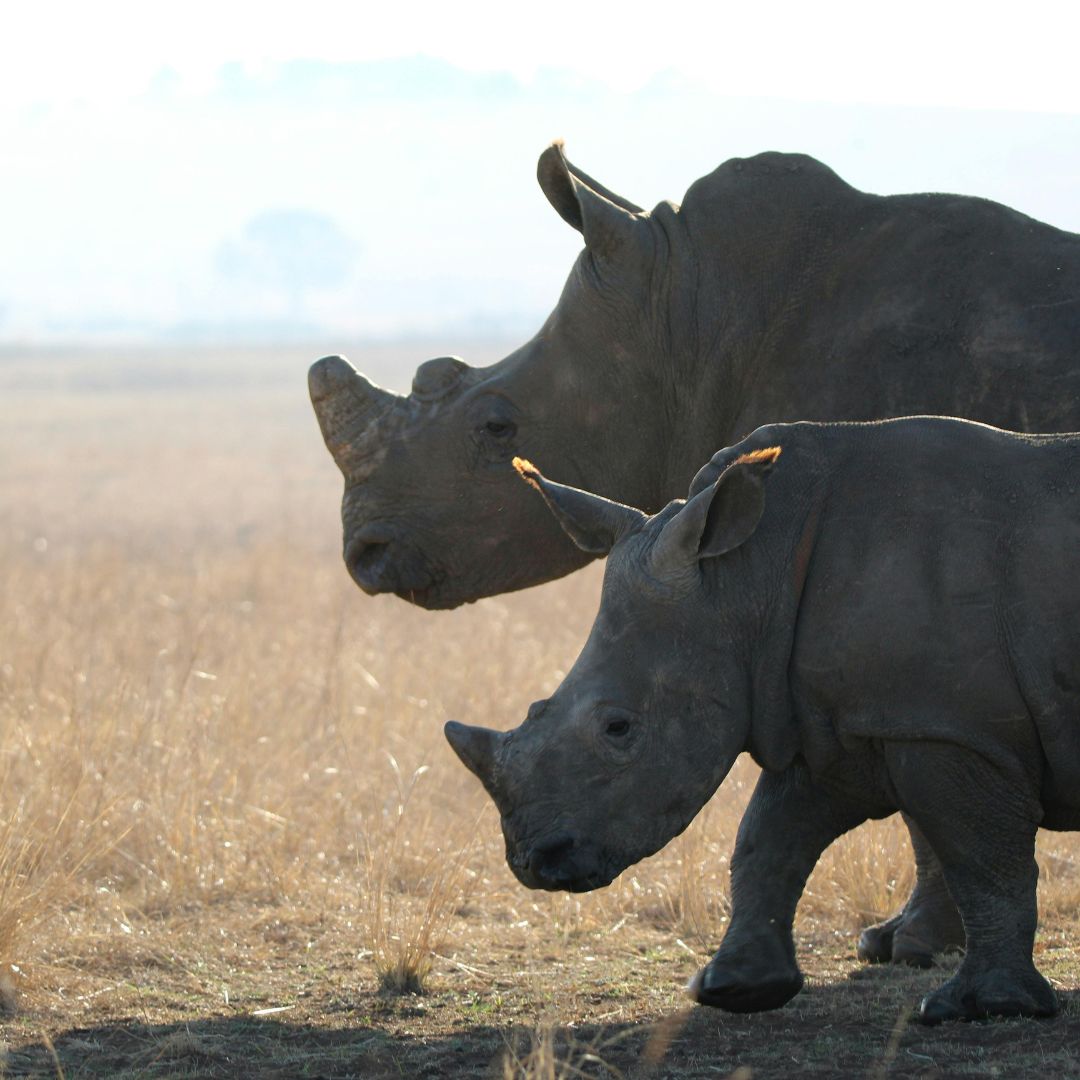
Black Rhino
Critically Endangered
Ngorongoro is one of Tanzania’s best places to spot the rare black rhino.
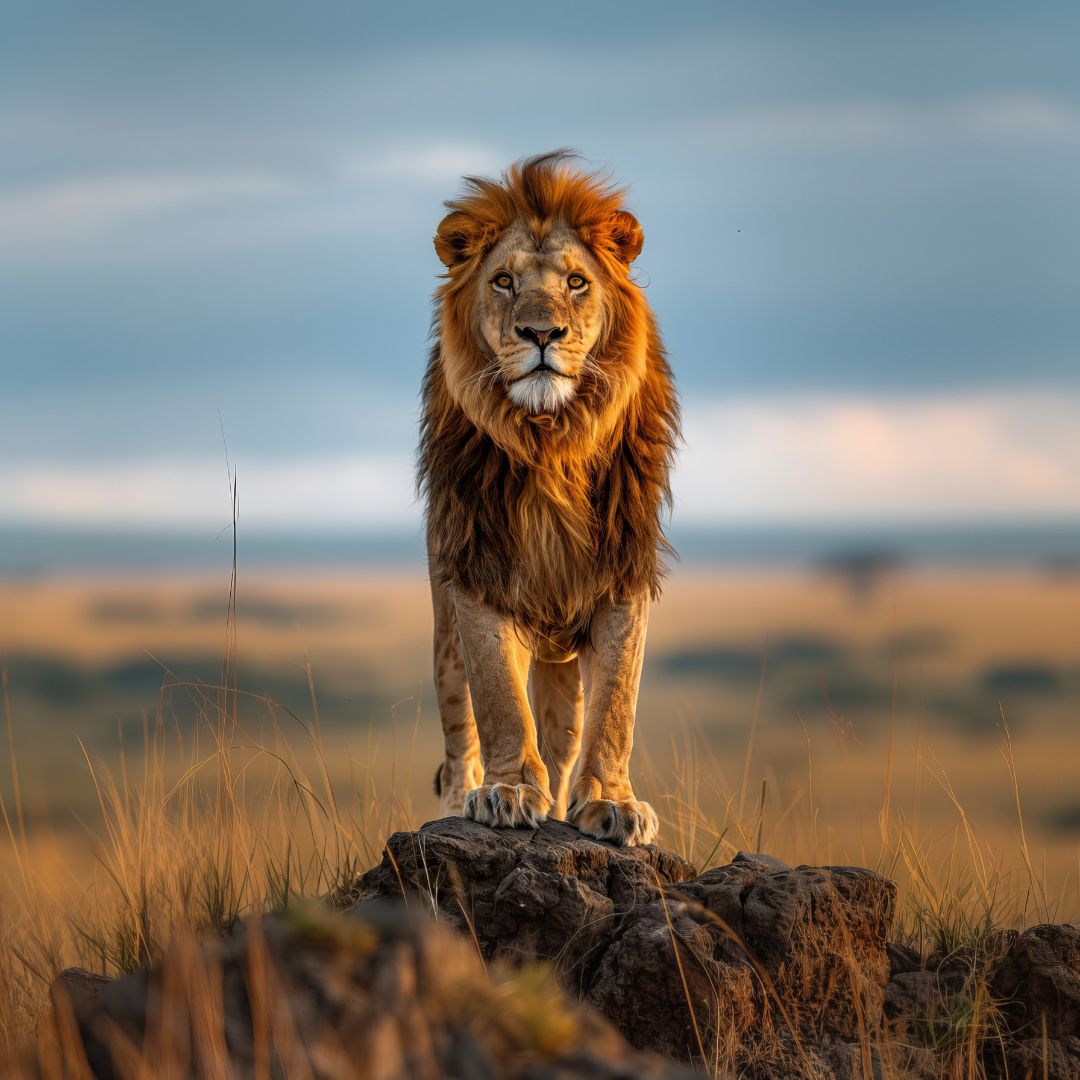
Lion
Dense Predator Population
Powerful lion prides dominate the crater floor year-round.
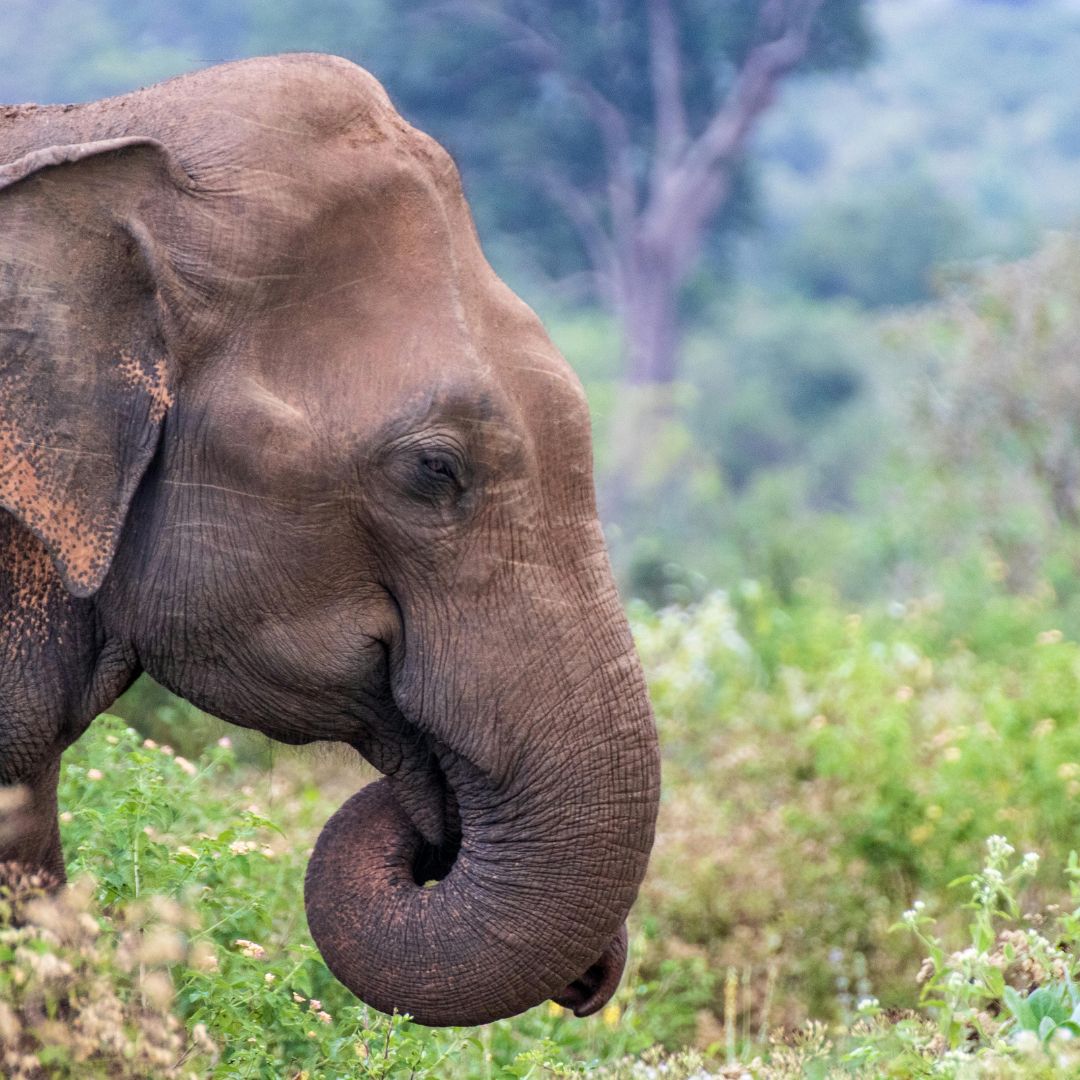
Tusker Elephants
Ancient Giants
Massive old bull elephants roam the Lerai Forest beneath yellow fever trees.
Flamingos
Lake Magadi Spectacle
Seasonal flamingo flocks transform the crater lake into shades of pink.
Hippo
Wetland Residents
Hippos spend their days submerged in pools scattered across the crater floor.
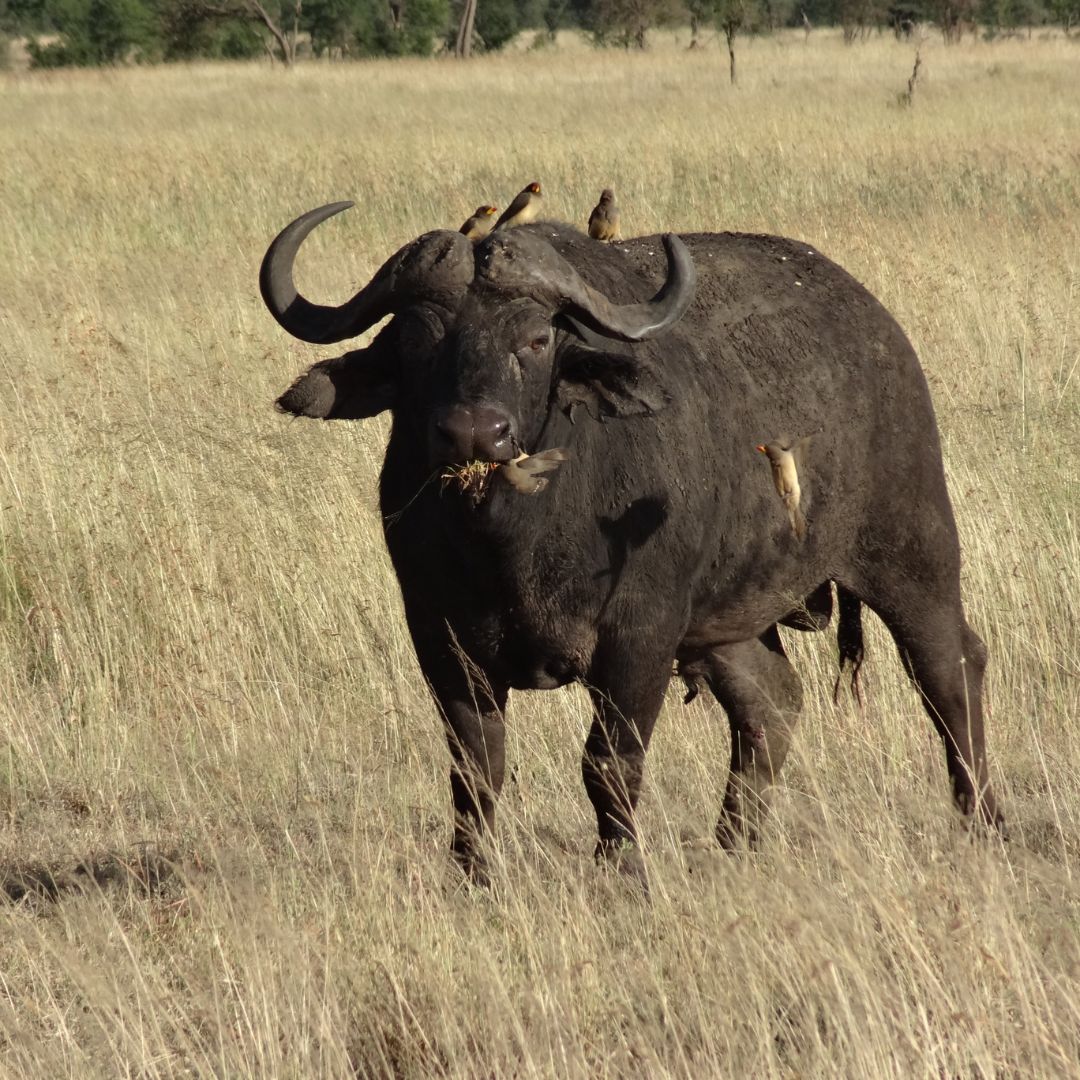
Buffalo
Huge Resident Herds
Large buffalo herds graze the open plains and wetlands of the crater.
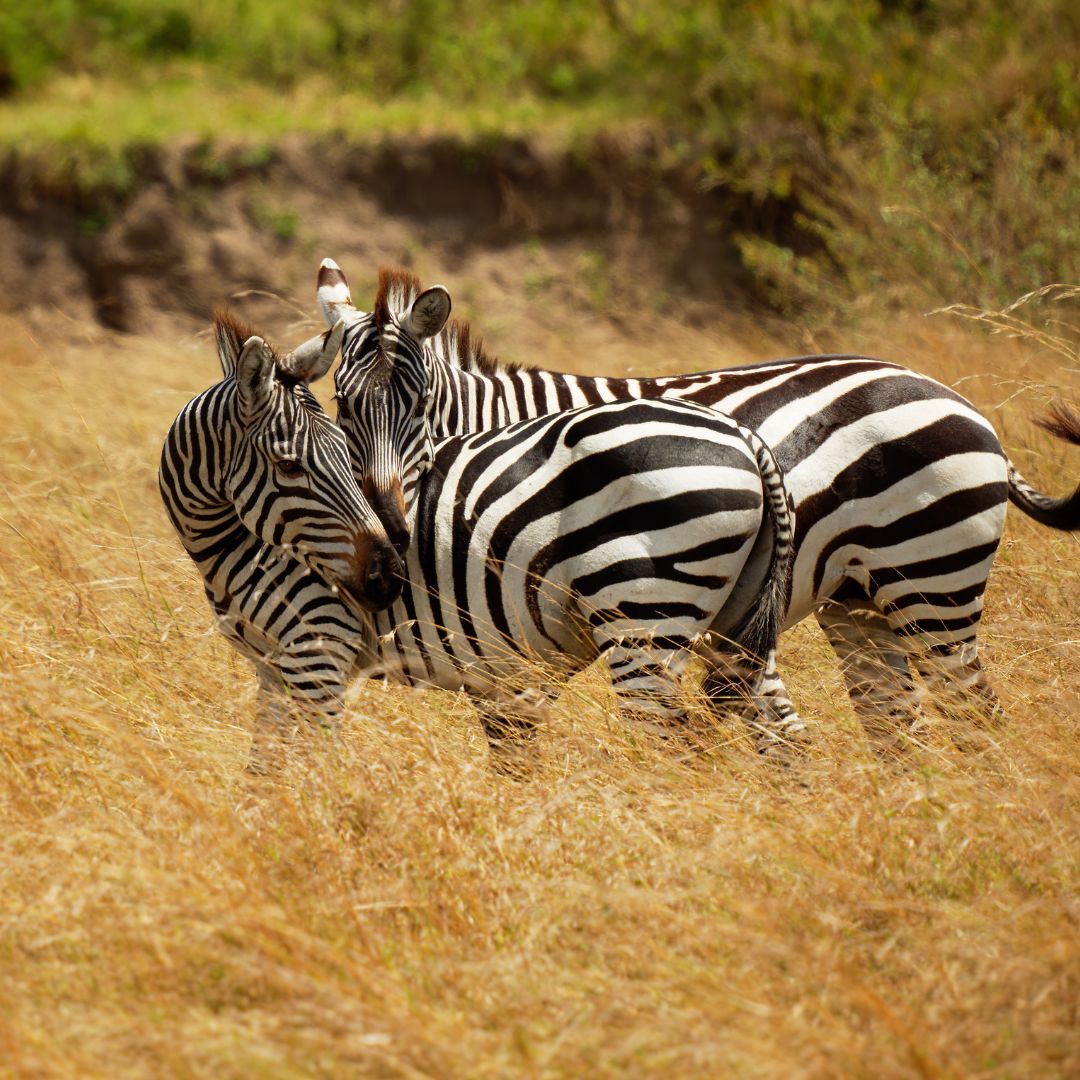
Zebra
Open Plains Grazer
Zebra herds roam freely across Ngorongoro’s rich grasslands.
Crater Landscape
World’s Largest Intact Caldera
A breathtaking volcanic amphitheatre filled with wildlife and dramatic scenery.
The Lost World of Africa
A Natural Wildlife Amphitheatre
Ngorongoro Crater is often called Africa’s Eden — a naturally enclosed ecosystem where wildlife thrives within the walls of an ancient volcano. The crater floor supports one of the densest concentrations of predators and herbivores anywhere on the continent.
Unlike seasonal parks, Ngorongoro offers exceptional wildlife viewing throughout the year thanks to permanent water sources and fertile grazing lands.
Crater Floor
260 km²
Black Rhino
Rare Sightings
Big Five
All Present
Best Safari
Year-Round
When to Visit
Ngorongoro Crater by Season
☀️ Jan – Feb
Calving Season
The southern plains explode with newborn wildebeest calves — and the predators that follow them.
🌧️ Mar – May
Long Rains
Green season. Lush landscapes, newborn animals, dramatic skies, and far fewer tourists.
🍃 Jun – Jul
Dry Season
The migration moves north through the Western Corridor. Excellent predator viewing begins.
🔭 Aug – Oct
Peak Migration
Peak season. The northern Serengeti's Mara River crossings are at their most dramatic.
⛈️ Nov – Dec
Short Rains
Short rains refresh the landscape. The migration begins moving south again. Good birding.
Start Planning
Ngorongoro Crater Tours
Safari Tours
3-Day Classic Northern Circuit Safari
3 Days
Crater Wonders & Rift Valley Adventures
From the giant elephant herds and ancient baobab trees of Tarangire to the spectacular wildlife-filled
Tell us your dream safari and our Tanzania-born specialists will craft a tailor-made itinerary — at no obligation. Browse our sample trips for inspiration, or let us start from scratch. Either way, we’ll make it unforgettable.