Tanzania-Born Safari Specialists
Climbing Mount Kilimanjaro is one of the world’s most rewarding adventures — a journey through lush rainforests, alpine deserts, and icy summit landscapes to the roof of Africa. Although Kilimanjaro does not require technical climbing skills, reaching the summit successfully demands physical preparation, mental determination, and proper acclimatization with Kilimanjaro Raven.
Many climbers underestimate the challenge of trekking for multiple days at high altitude. Proper training before your expedition can significantly improve your comfort, confidence, and chances of standing proudly at Uhuru Peak. Whether you are an experienced hiker or a first-time trekker, preparing your body and mind is one of the most important parts of your Kilimanjaro journey.
Training for Kilimanjaro is about improving stamina, endurance, and your ability to hike for long hours across varying terrain.
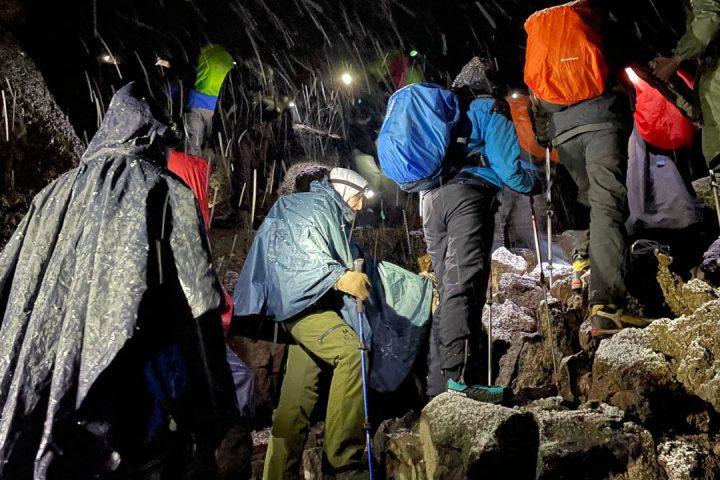
A Kilimanjaro climb typically involves:
The better prepared you are physically, the more enjoyable your experience on the mountain will be.
Kilimanjaro is not a race. Success depends more on steady endurance than athletic speed.
Recommended training focuses include:
Consistency over several weeks or months is more effective than intense last-minute preparation.
Kilimanjaro Raven Tip: Start Early, At Kilimanjaro Raven, we recommend beginning your training at least 8–12 weeks before your climb for the best results.
A balanced training routine helps prepare your body for the demands of mountain trekking.
Strong cardiovascular fitness is essential for trekking at altitude.
The Objective: Aim to improve your endurance gradually so you can remain active for long periods without excessive fatigue.
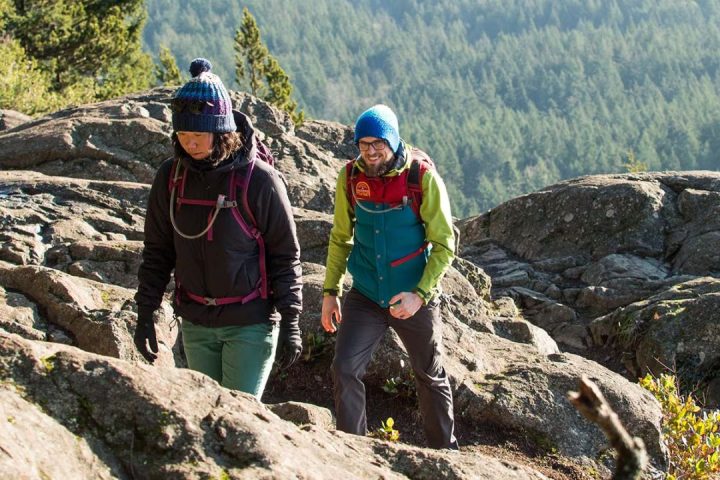
Regular hiking is one of the best ways to prepare for Kilimanjaro.
Practice hiking:
Kilimanjaro Raven Tip: If possible, train on trails with elevation gain to prepare your legs and lungs for mountain conditions.
Strength exercises help improve balance, stability, and hiking performance.
Strong muscles help reduce fatigue during long trekking days.
Physical fitness is important, but mental preparation and acclimatization are equally essential.
Altitude affects every climber differently, regardless of fitness level.
Symptoms may include:
A positive mindset, patience, and determination are key during difficult sections of the climb — especially summit night.
Choosing longer trekking routes with proper acclimatization days greatly improves summit success rates with Kilimanjaro Raven.
Healthy preparation before the trek supports better mountain performance.
| Training Focus | Recommended Activities | Best For | Goal |
|---|---|---|---|
| Cardio Fitness | Running, cycling, hiking | Endurance | Improve stamina |
| Strength Training | Squats, lunges, core work | Stability & power | Reduce fatigue |
| Hiking Practice | Long-distance walks | Trek simulation | Build confidence |
| Hydration & Nutrition | Balanced meals & water intake | Recovery & energy | Support acclimatization |

Training helps transform the climb from a difficult physical challenge into a more comfortable and enjoyable adventure. Proper preparation improves endurance, confidence, and your ability to fully appreciate the breathtaking beauty of Kilimanjaro’s landscapes.
From rainforest trails to the glaciers of Uhuru Peak, every step becomes more rewarding when your body and mind are prepared for the journey ahead.
Contact the Kilimanjaro Raven team today to begin planning your unforgettable climb on Mount Kilimanjaro. Our mountain experts are ready to help you prepare, train, and successfully reach the summit of Africa’s highest mountain.