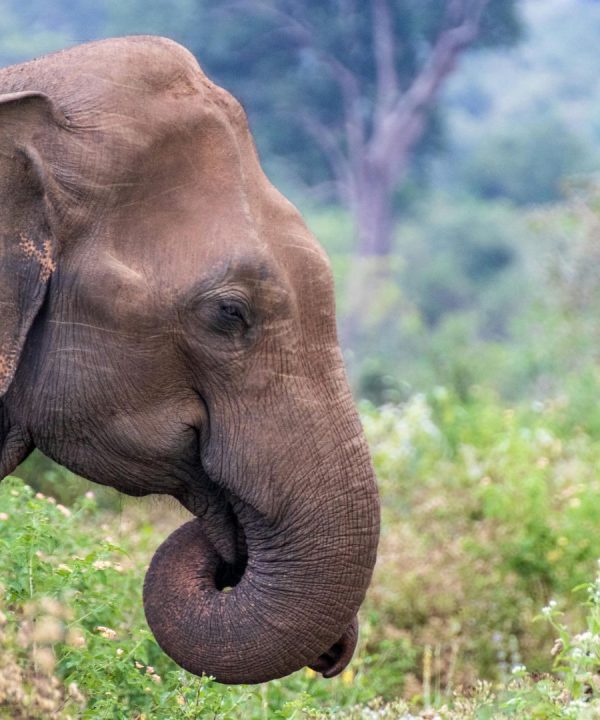
Where ancient baobabs stand guard over elephant kingdoms and golden savannahs whisper with life.
Established
1970
Area
2,850 km²
Big Five
4 Present
Best Time
Jun – Oct
About the Park
Tarangire National Park is one of Tanzania’s most underrated wildlife treasures — a dramatic landscape defined by giant baobab trees, seasonal swamps, and the winding Tarangire River that gives the park its lifeblood. Located just south of Lake Manyara in Tanzania’s northern safari circuit, the park covers nearly 2,850 km² and offers some of East Africa’s most concentrated dry-season wildlife viewing.
During the dry season, thousands of animals migrate into the park from surrounding ecosystems, drawn to the permanent waters of the Tarangire River. The park becomes famous for its enormous elephant herds — among the largest concentrations in Africa — alongside vast numbers of zebra, wildebeest, buffalo, giraffe, and predators. Tarangire is also a paradise for bird lovers, with more than 550 bird species recorded, making it one of Tanzania’s richest birding destinations.
Regions of the Park
Four Landscapes, Four Experiences.
Tarangire River Valley
Central Tarangire
The wildlife heart of the park, where the Tarangire River attracts massive concentrations of animals during the dry season. Elephant herds numbering in the hundreds gather here alongside lions, buffalo, and countless antelope species.
Massive elephant herds
Tarangire River game viewing
Year-round wildlife
Excellent predator sightings
Silale Swamps
Southern Tarangire
A lush seasonal wetland ecosystem that becomes a magnet for elephants, buffalo, and birdlife. During the green season, the swamps glow with life and provide stunning photographic scenery.
Seasonal wetlands
Exceptional birdwatching
Large buffalo herds
Green season photography
Matete Woodlands
Western Tarangire
Dense acacia and mixed woodland habitats provide shelter for elusive wildlife including leopards, kudu, and fringe-eared oryx. This quieter region offers a more remote safari atmosphere.
Leopard territory
Greater kudu sightings
Ancient baobab groves
Quiet game drives
Lemiyon Triangle
Northern Tarangire
Open plains and migration corridors connect Tarangire to surrounding Maasai lands. Huge seasonal movements of zebra and wildebeest pass through this region during the dry months.
Seasonal wildlife migration
Open savannah plains
Cheetah sightings
Remote bush landscapes
Wildlife of Tarangire
Giants Beneath the Baobabs
Tarangire is a land of elephant kingdoms, silent predators, ancient baobabs, and endless golden plains — one of Tanzania’s most atmospheric safari destinations.
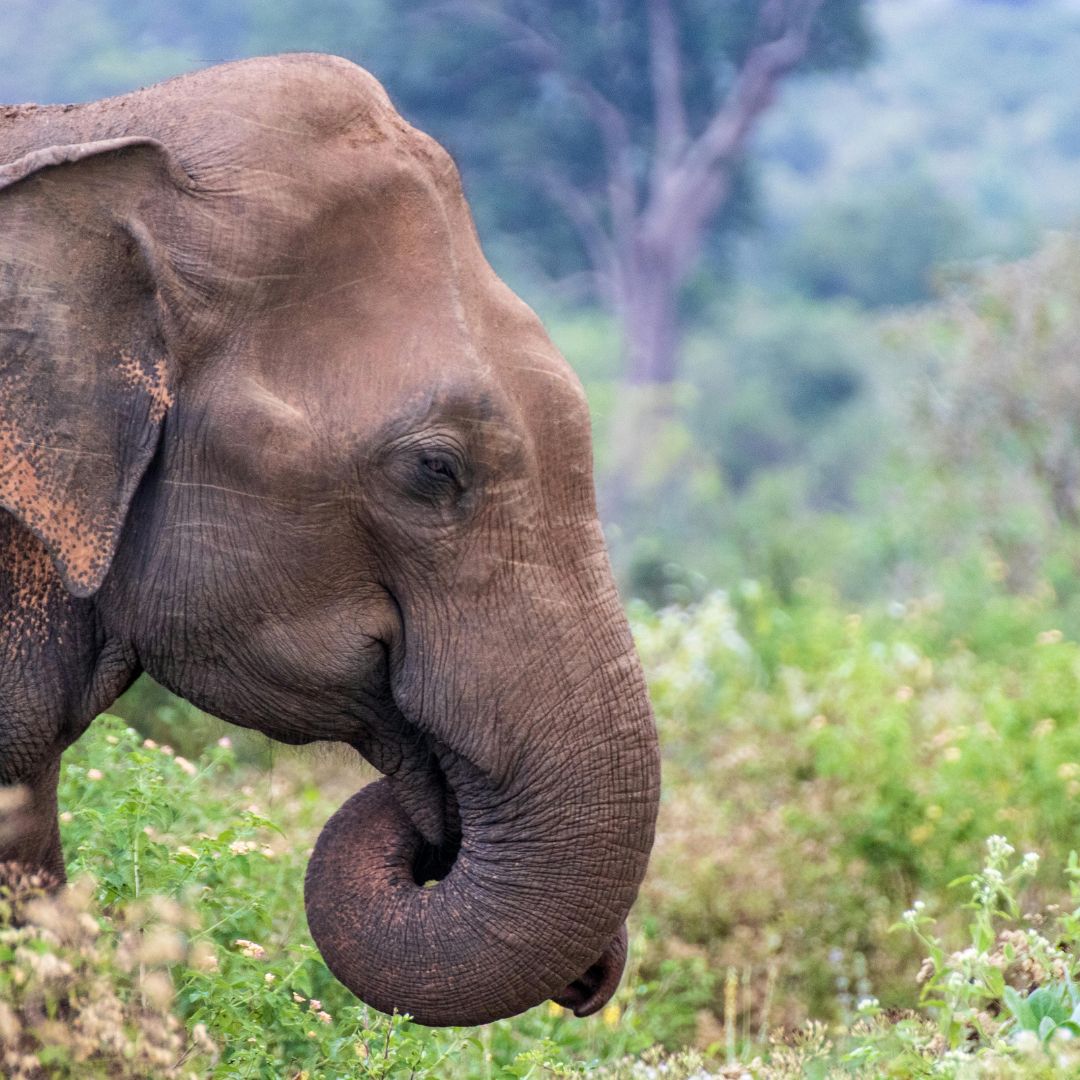
Elephant
Largest Herds in Northern Tanzania
Tarangire becomes an elephant sanctuary during the dry season as giant families gather along the river.
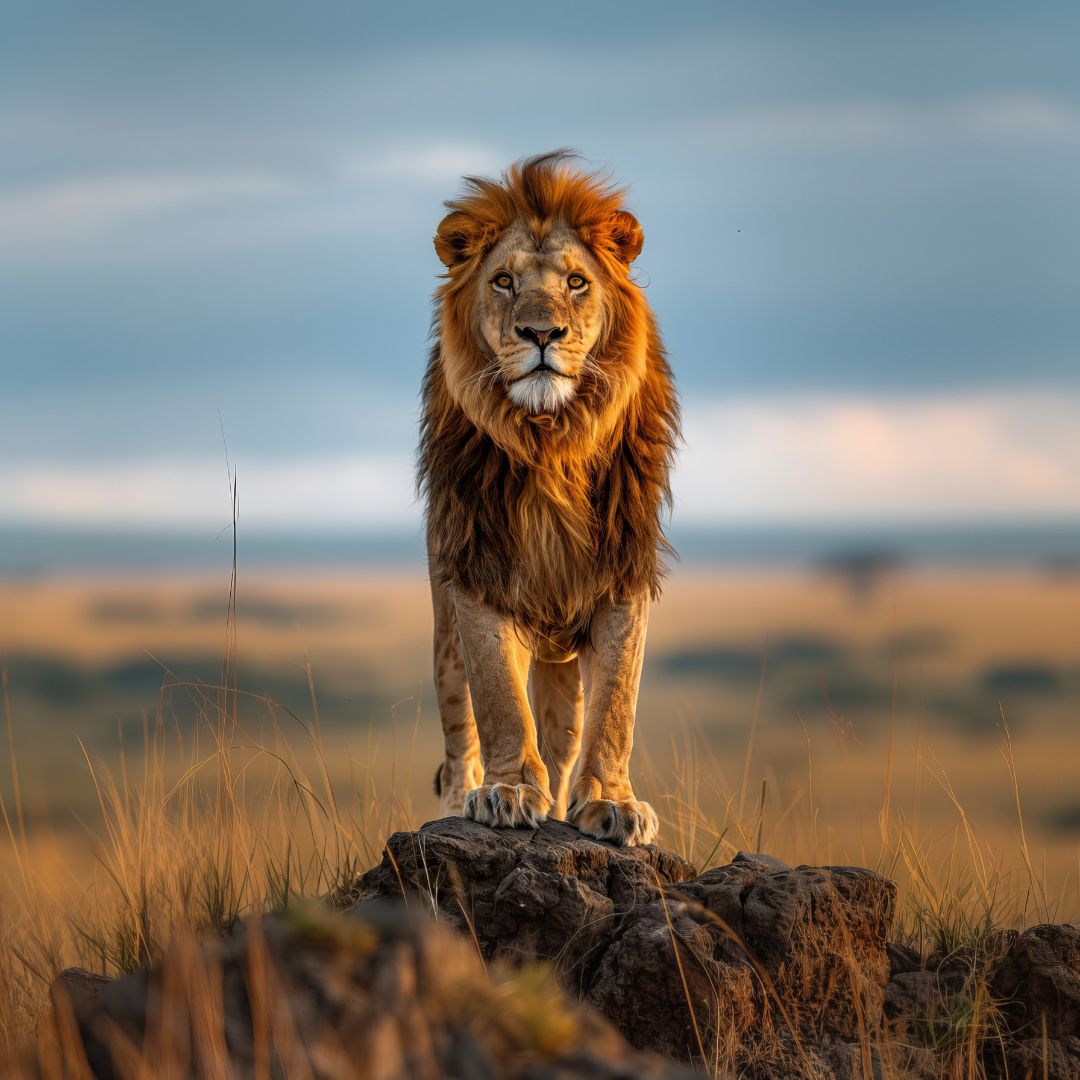
Lion
Resident Predator
Powerful prides dominate the river valleys and open plains throughout the ecosystem.
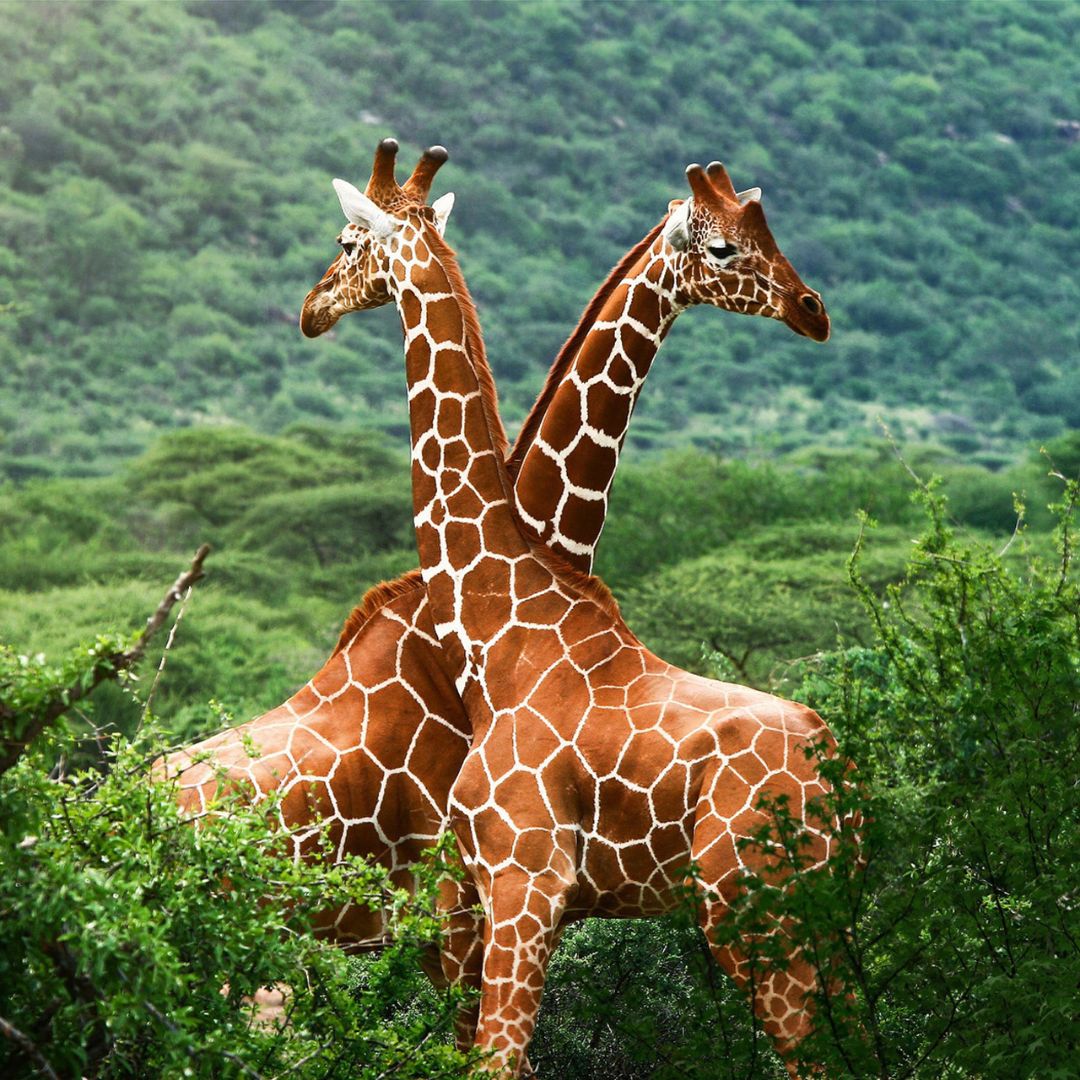
Giraffe
Common Across the Park
Graceful giraffes browse among Tarangire’s iconic acacia woodland and baobabs.
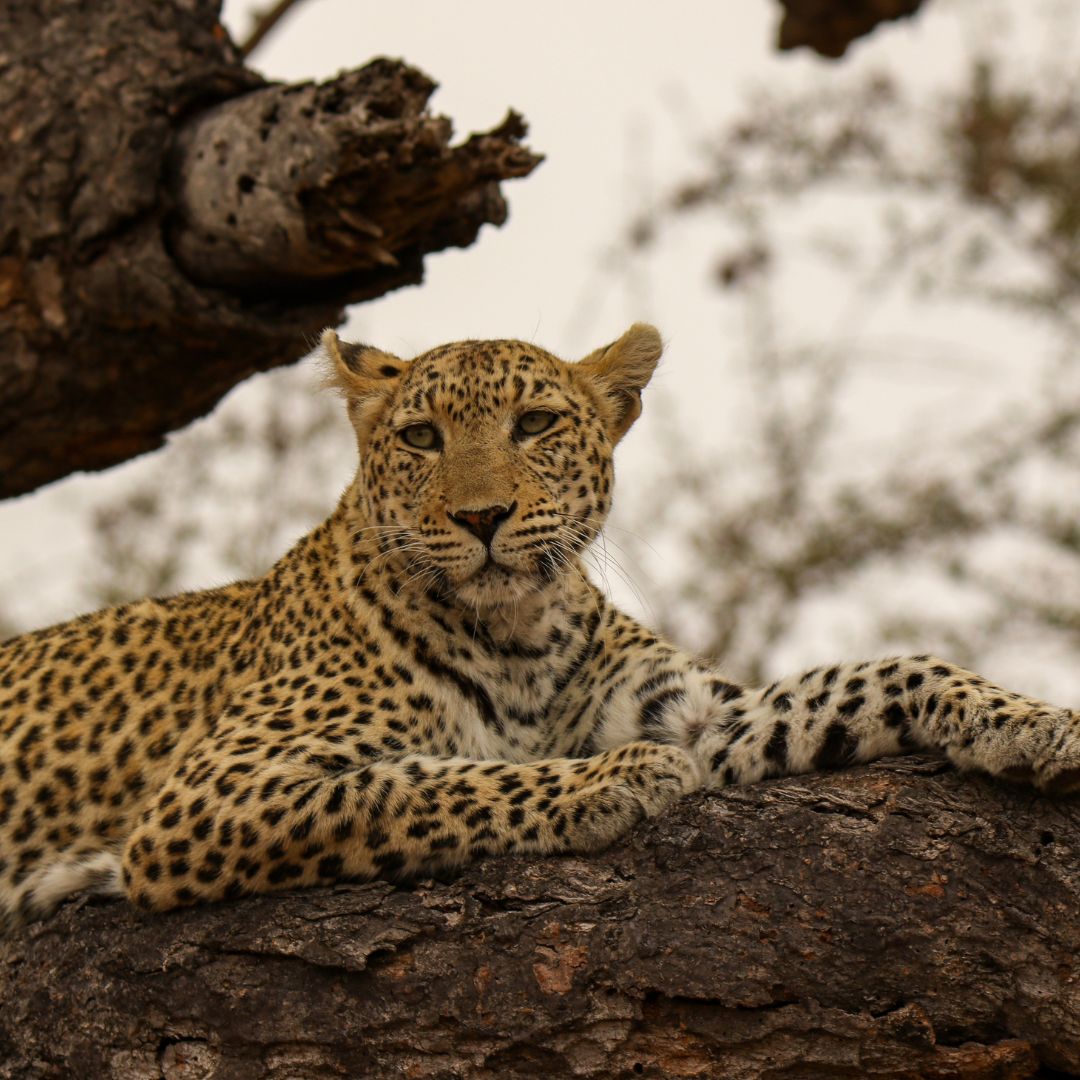
Leopard
Elusive & Elegant
Often hidden in woodland shadows or draped across tree branches.
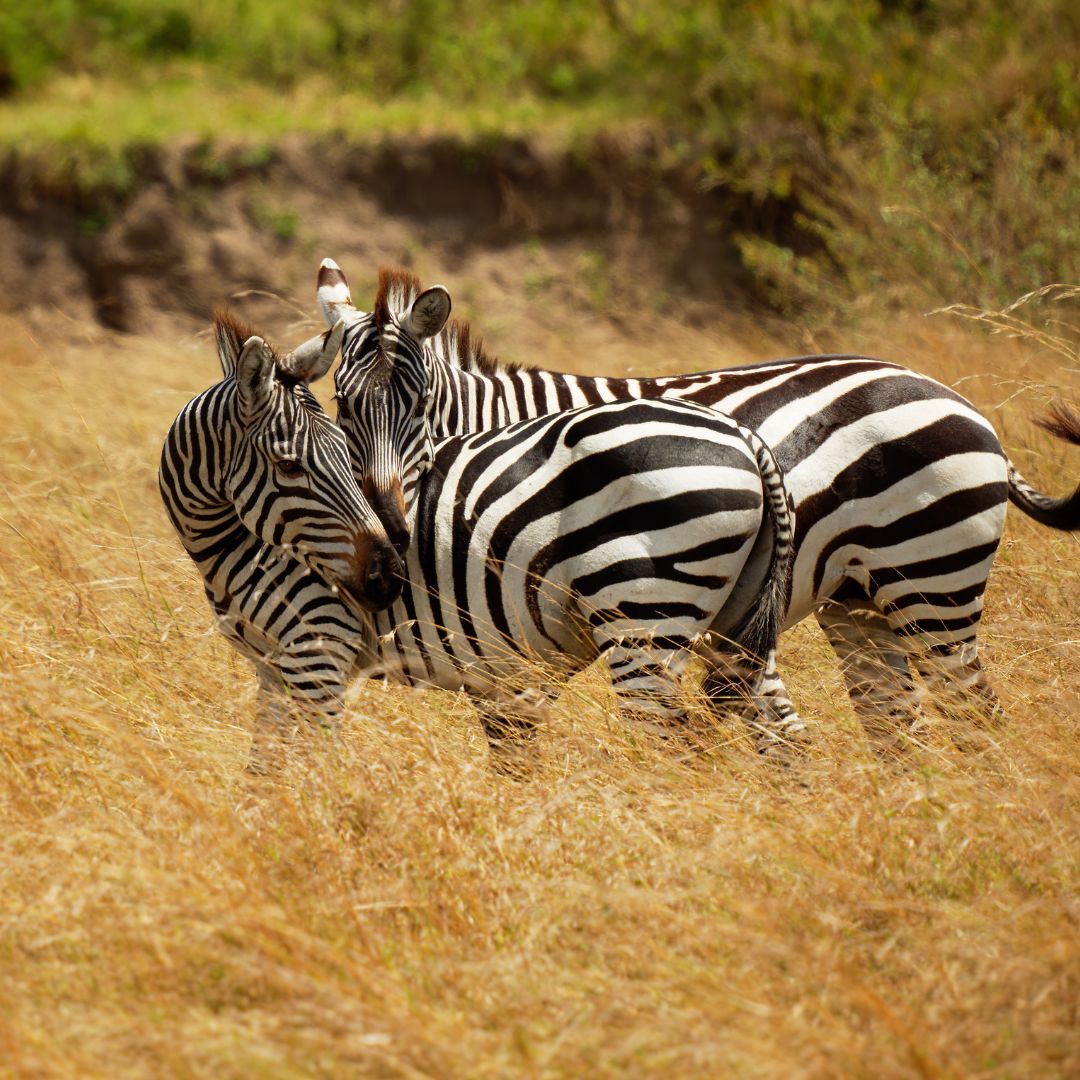
Zebra
Seasonal Migrants
Huge zebra herds move through Tarangire following seasonal rains and grazing.
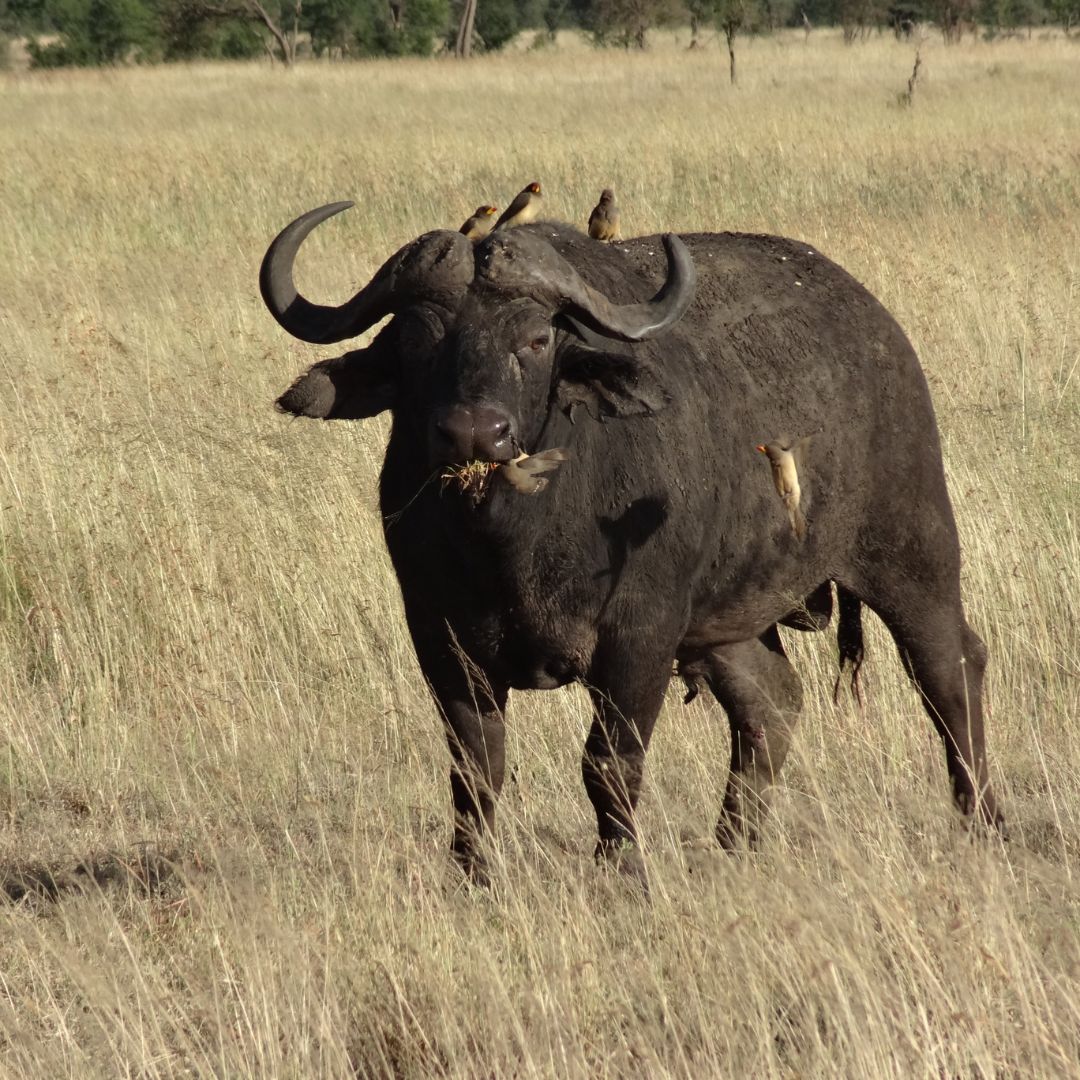
Buffalo
Massive Herds
Large buffalo concentrations gather near swamps and permanent water sources.
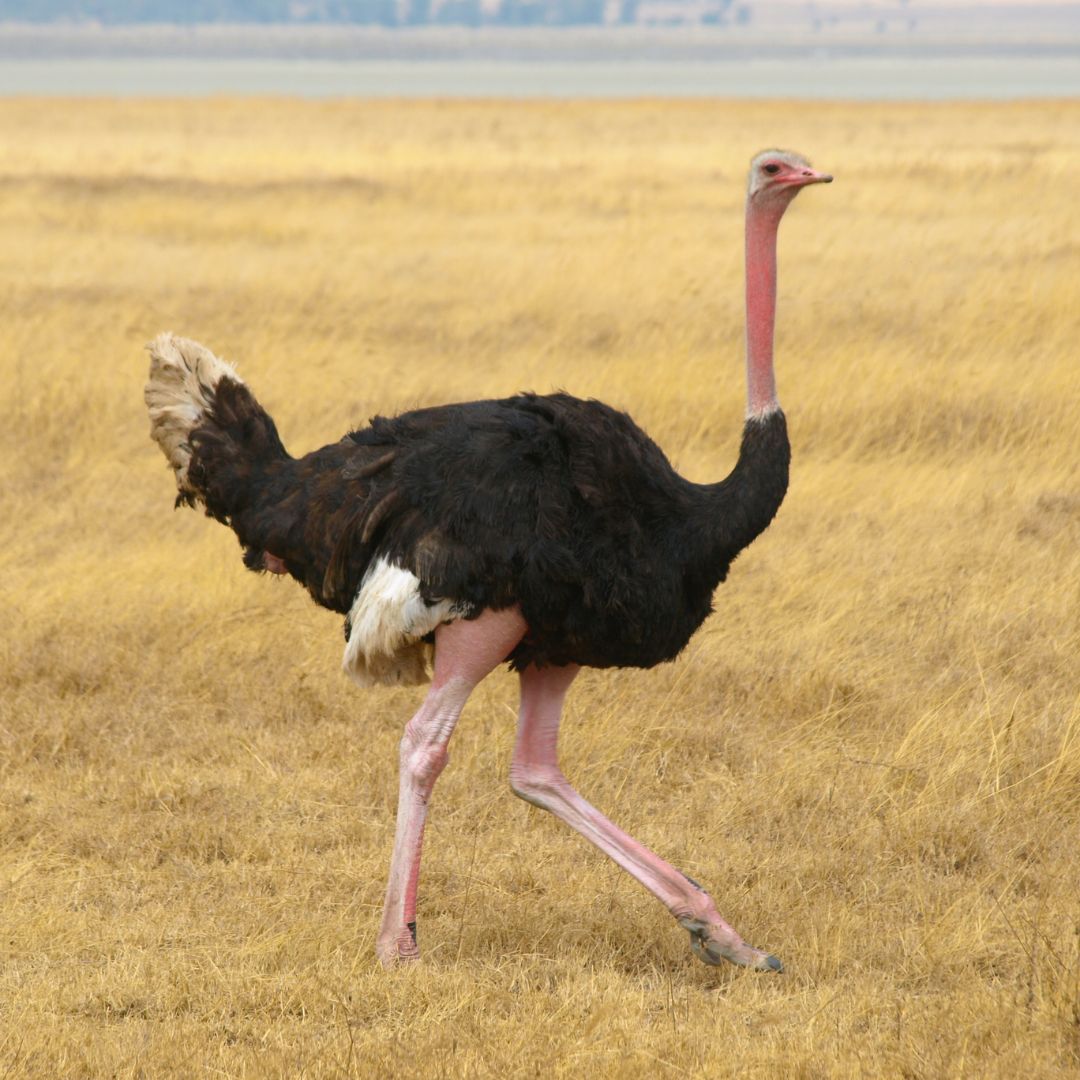
Ostrich
Savannah Icon
Africa’s largest bird thrives across Tarangire’s open plains and dry grasslands.
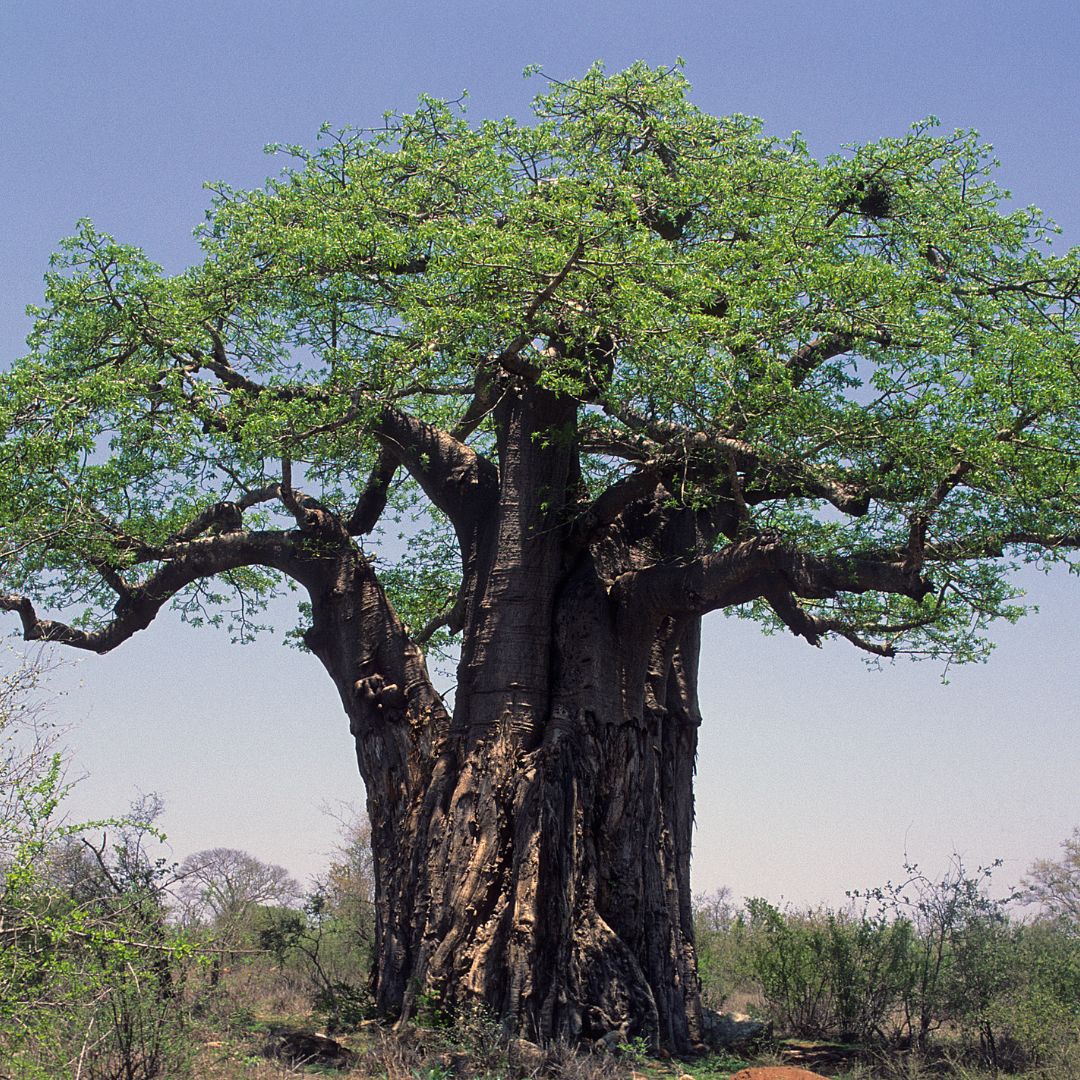
Baobab Trees
Ancient Giants
Towering baobabs define Tarangire’s landscape and create its unmistakable atmosphere.
The Land of Giants
Elephant Kingdom
Every dry season, Tarangire transforms into one of Africa’s greatest elephant sanctuaries. Hundreds of elephants gather along the Tarangire River — families moving silently beneath towering baobabs that have stood for centuries.
The park’s seasonal migration rivals parts of the Serengeti ecosystem in scale, as zebra, wildebeest, buffalo, and antelope move toward the permanent water sources. Predator activity intensifies as lions and leopards follow the enormous concentrations of prey.
Elephants
~3,000
Bird Species
550+
Baobab Trees
Hundreds
Peak Season
Jun – Oct
When to Visit
Tarangire by Season
☀️ Jan – Feb
Calving Season
The southern plains explode with newborn wildebeest calves — and the predators that follow them.
🌧️ Mar – May
Long Rains
Green season. Lush landscapes, newborn animals, dramatic skies, and far fewer tourists.
🍃 Jun – Jul
Dry Season
The migration moves north through the Western Corridor. Excellent predator viewing begins.
🔭 Aug – Oct
Peak Migration
Peak season. The northern Serengeti's Mara River crossings are at their most dramatic.
⛈️ Nov – Dec
Short Rains
Short rains refresh the landscape. The migration begins moving south again. Good birding.
Start Planning
Tarangire Tours
Safari Tours
3-Day Classic Northern Circuit Safari
3 Days
Crater Wonders & Rift Valley Adventures
From the giant elephant herds and ancient baobab trees of Tarangire to the spectacular wildlife-filled
Tell us your dream safari and our Tanzania-born specialists will craft a tailor-made itinerary — at no obligation. Browse our sample trips for inspiration, or let us start from scratch. Either way, we’ll make it unforgettable.