Where rainforest, volcanic craters, waterfalls, and Mount Meru create Tanzania’s most scenic safari escape.
Established
1960
Area
552 km²
Big Five
Partial Presence
Best Time
Jun – Feb
About the Park
Arusha National Park is Tanzania’s most accessible national park and one of its most visually diverse landscapes. Located between the slopes of Mount Meru and the edge of the Great Rift Valley, the park combines dense montane forest, volcanic craters, open savannah, alpine highlands, lakes, and waterfalls into a remarkably compact wilderness.
Unlike the larger northern parks, Arusha National Park offers a more intimate safari experience with activities impossible elsewhere in Tanzania — including walking safaris, canoeing on Momella Lakes, and climbing Mount Meru, Africa’s fifth-highest mountain. The park is famous for its black-and-white colobus monkeys, large giraffe populations, flamingos, buffalo, waterfalls, and dramatic views of Mount Kilimanjaro on clear days.
Regions of the Park
Four Landscapes One Scenic Wilderness.
Momella Lakes
Alkaline Lake District
A chain of shallow alkaline lakes attracting flamingos, waterbirds, and grazing wildlife beneath the shadow of Mount Meru.
Seasonal flamingos
Canoe safaris
Waterbird photography
Scenic reflections
Ngurdoto Crater
The Mini Ngorongoro
A lush volcanic crater filled with forest, swamps, buffalo, and baboons — often called “Little Ngorongoro.”
Dense forest wildlife
Buffalo sightings
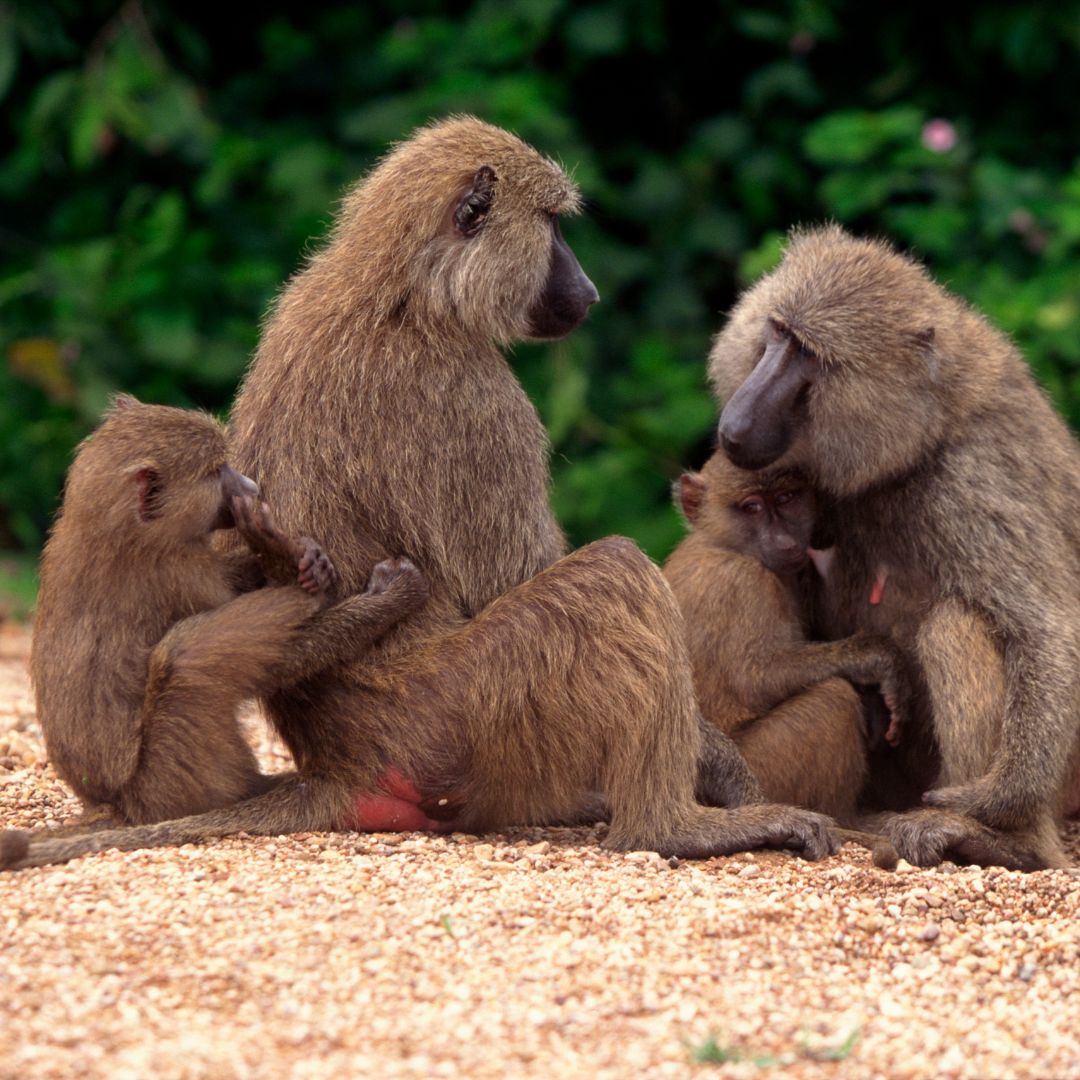
Baboon troops
Crater viewpoints
Mount Meru Slopes
Montane Forest Zone
The fertile slopes of Mount Meru support thick rainforest rich with monkeys, waterfalls, and birdlife.
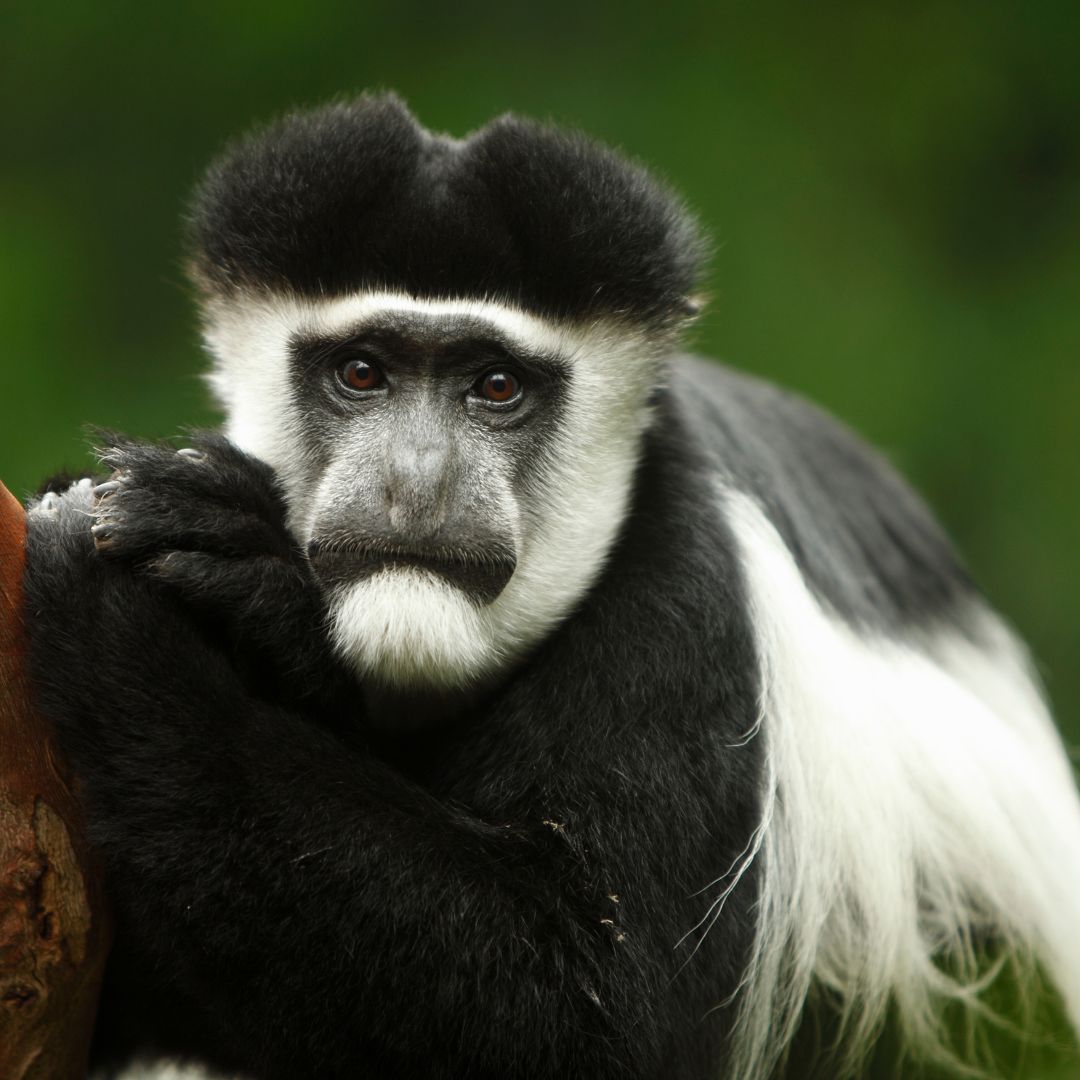
Colobus monkeys
Forest waterfalls
Mountain hiking
Rare bird species
Open Savannah Plains
Giraffe Territory
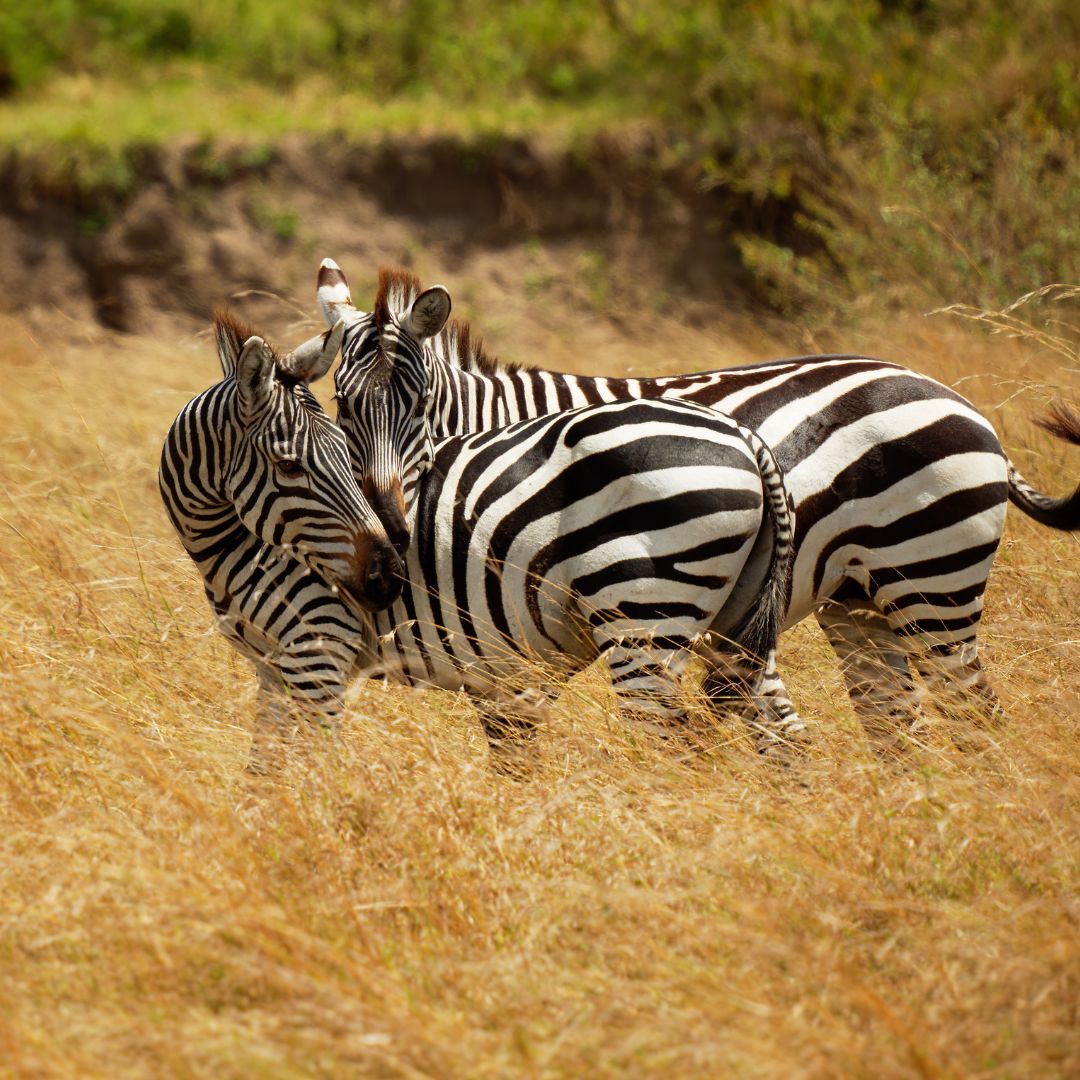
Rolling grasslands and acacia woodland support zebras, giraffes, warthogs, and antelope herds.
Large giraffe populations
Walking safaris
Open game drives
Mount Kilimanjaro views
Wildlife of Arusha National Park
Rainforest Primates & Savannah Wildlife
From black-and-white colobus monkeys and giraffes to buffalo, flamingos, and zebras, Arusha National Park delivers one of Tanzania’s most scenic and diverse wildlife experiences.
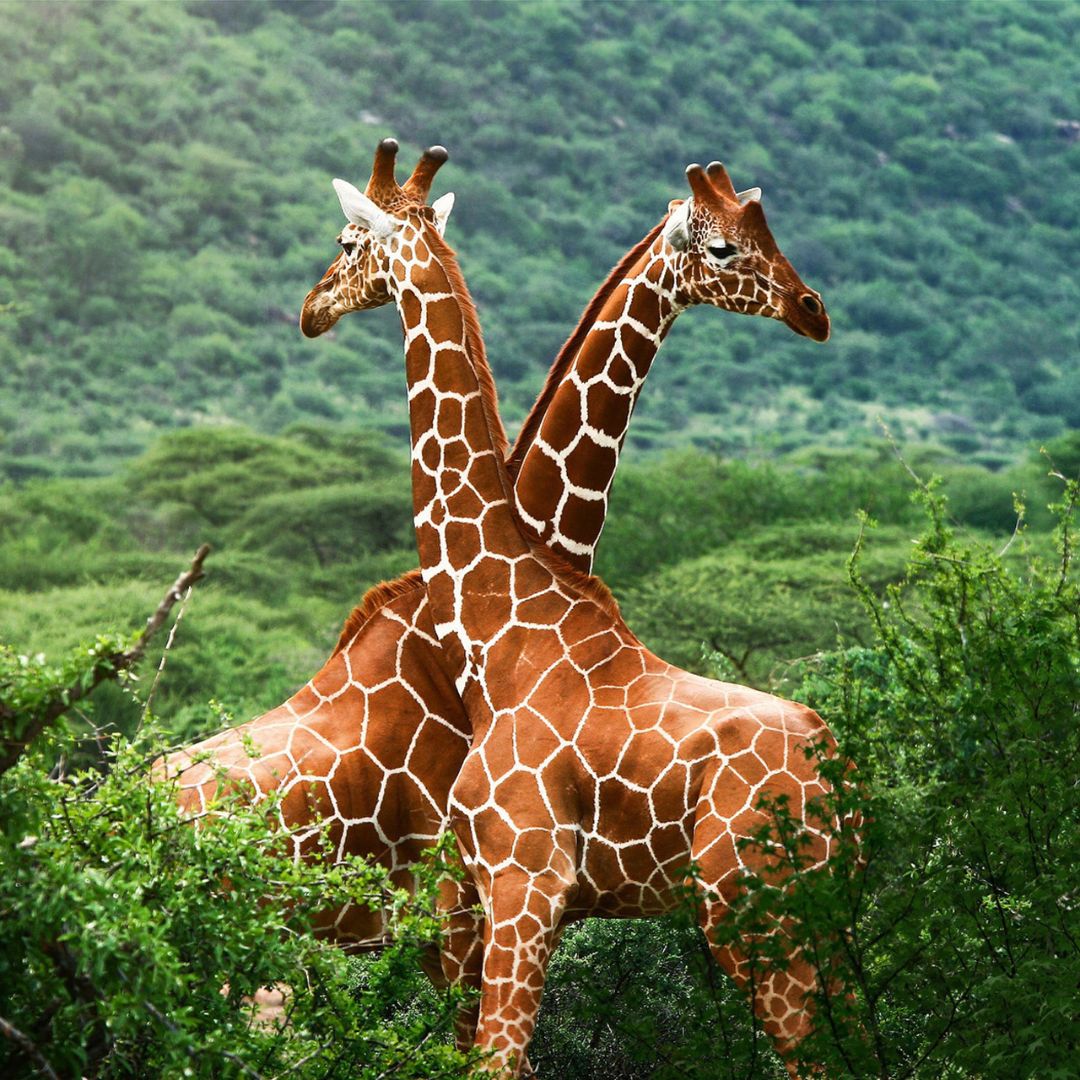
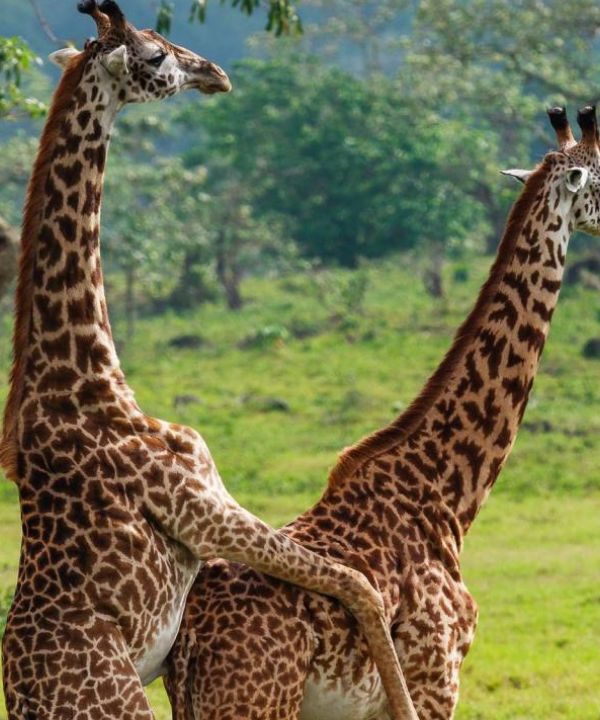
Giraffe
Large Resident Herds
Arusha National Park is famous for its large giraffe populations roaming open plains.
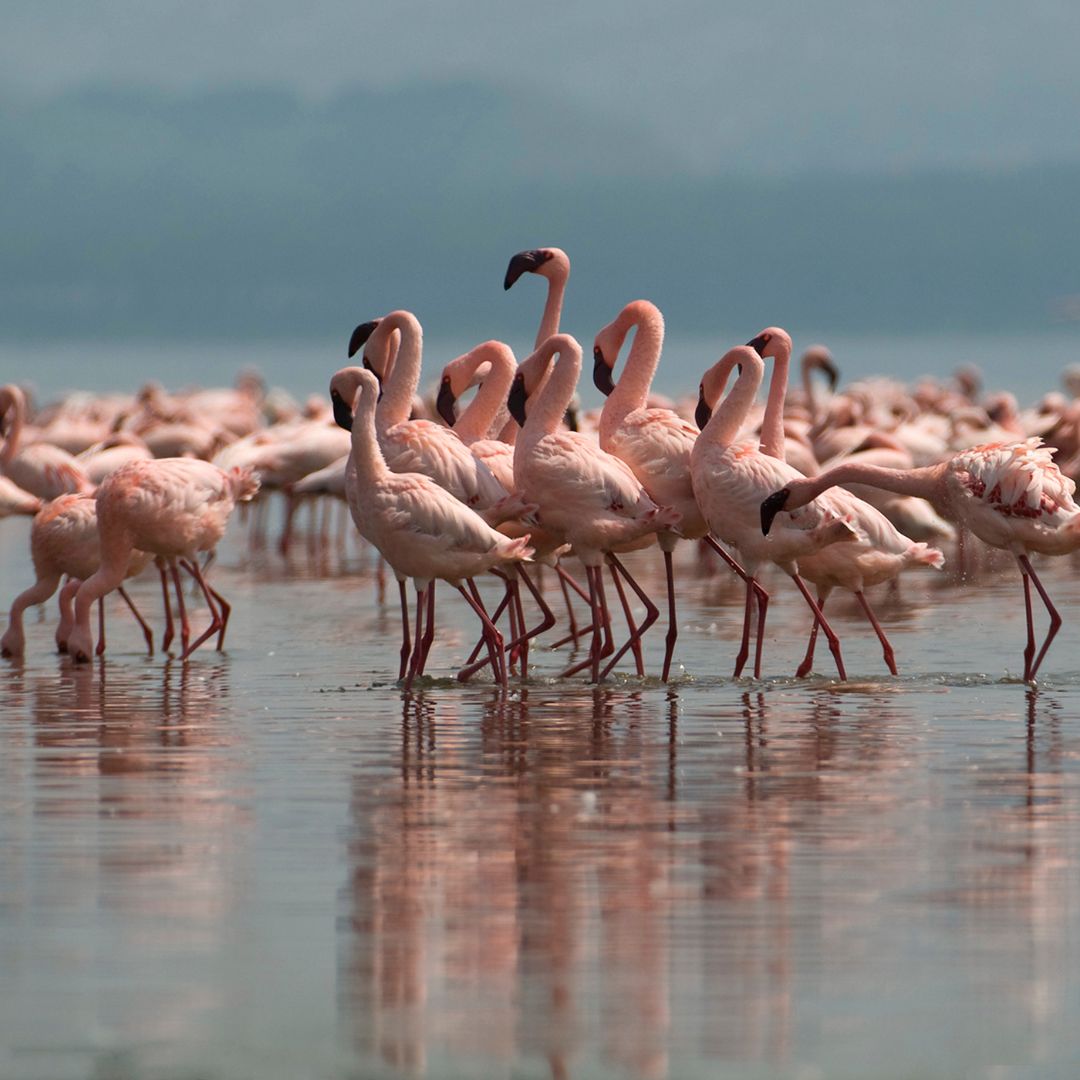
Flamingos
Momella Lake Birdlife
Seasonal flamingo flocks gather along the shallow alkaline lakes.
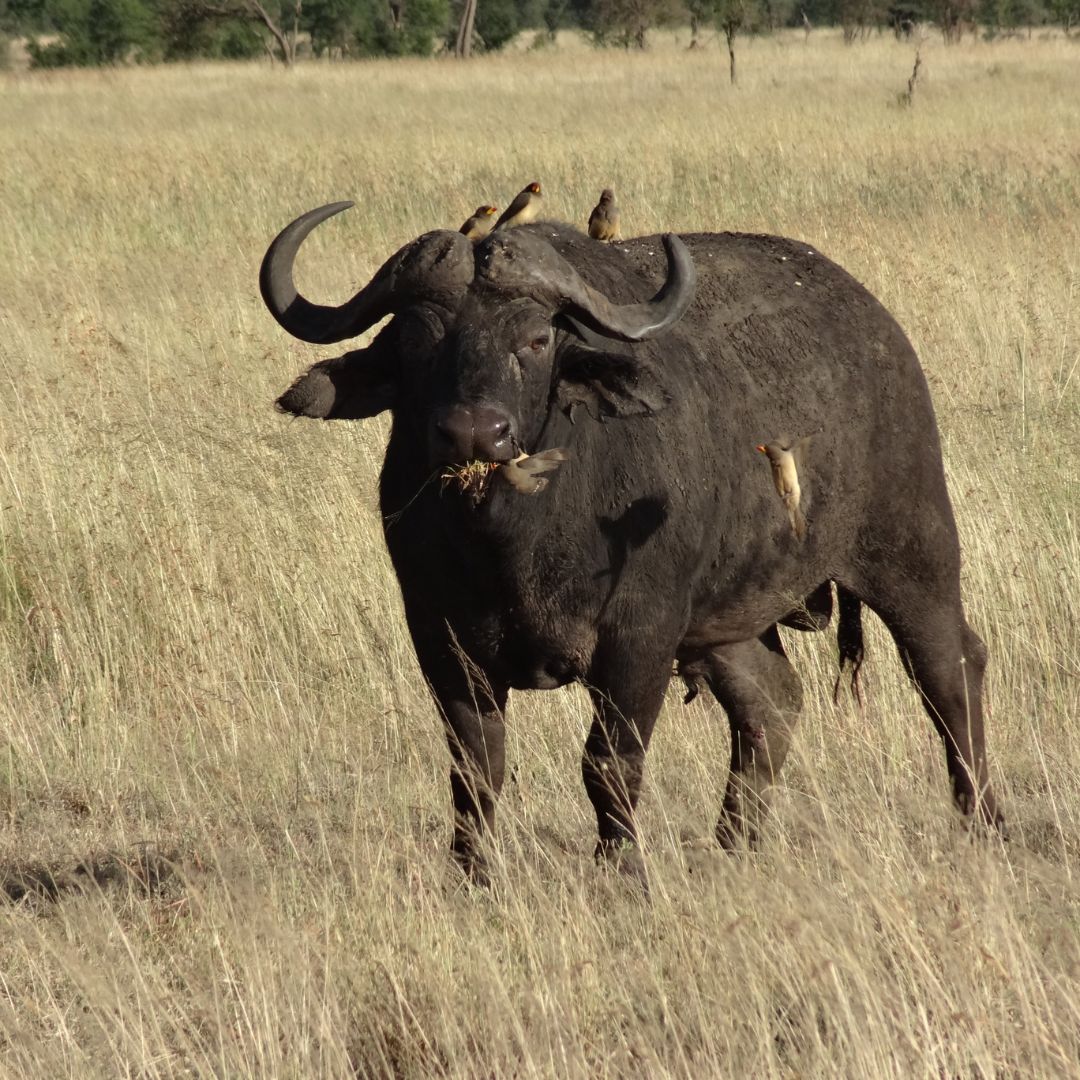
Buffalo
Forest & Crater Residents
Large buffalo herds thrive in the forests and crater grasslands.
Zebra
Savannah Grazers
Zebra herds move freely across the park’s rolling grasslands.
Colobus Monkeys
Rare Rainforest Primates
Black-and-white colobus monkeys leap through the montane forest canopy.
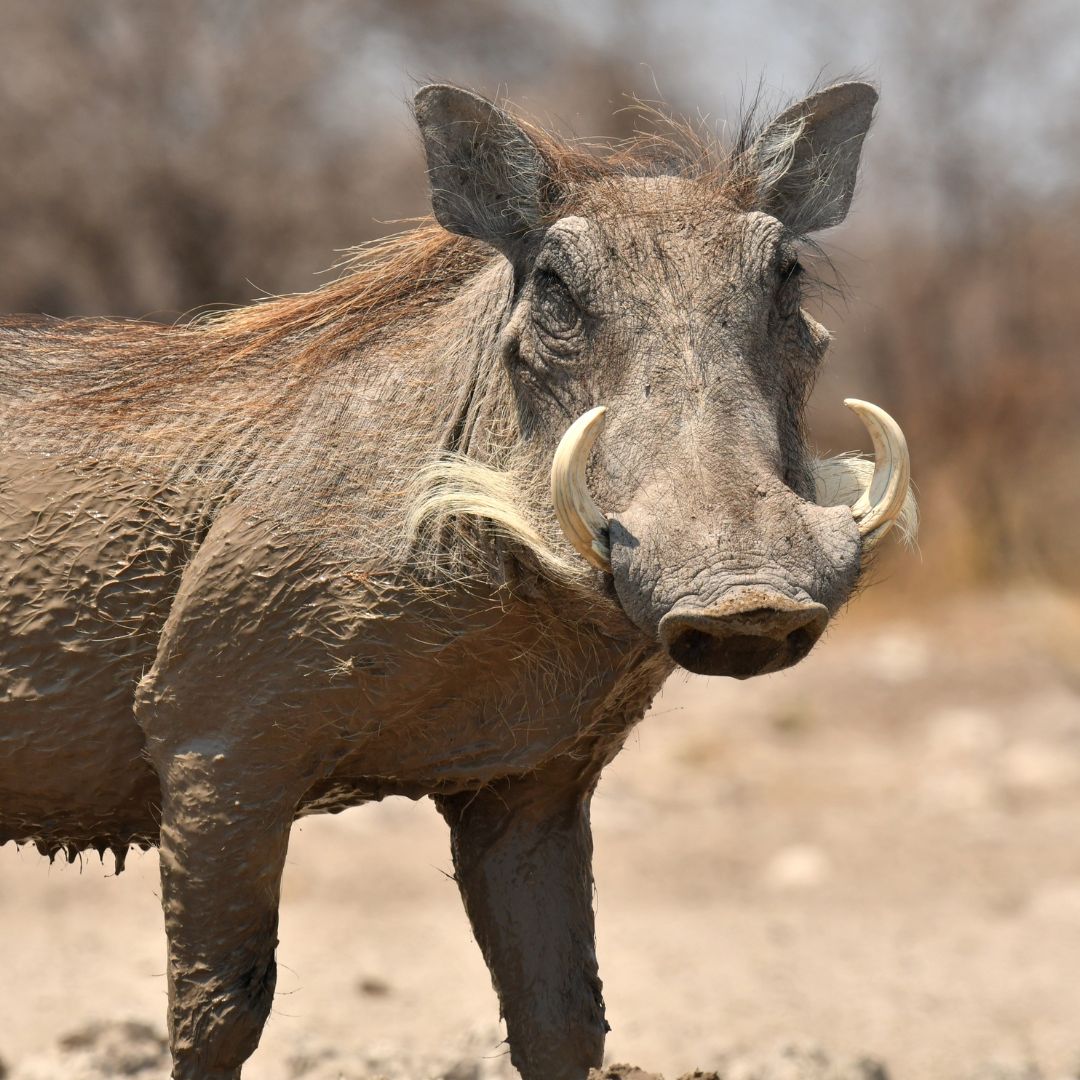
Warthog
Common Plains Wildlife
Warthogs are commonly seen grazing the savannah and woodland clearings.
Baboon Troops
Highly Social Primates
Large baboon families roam forests, roadsides, and crater slopes.
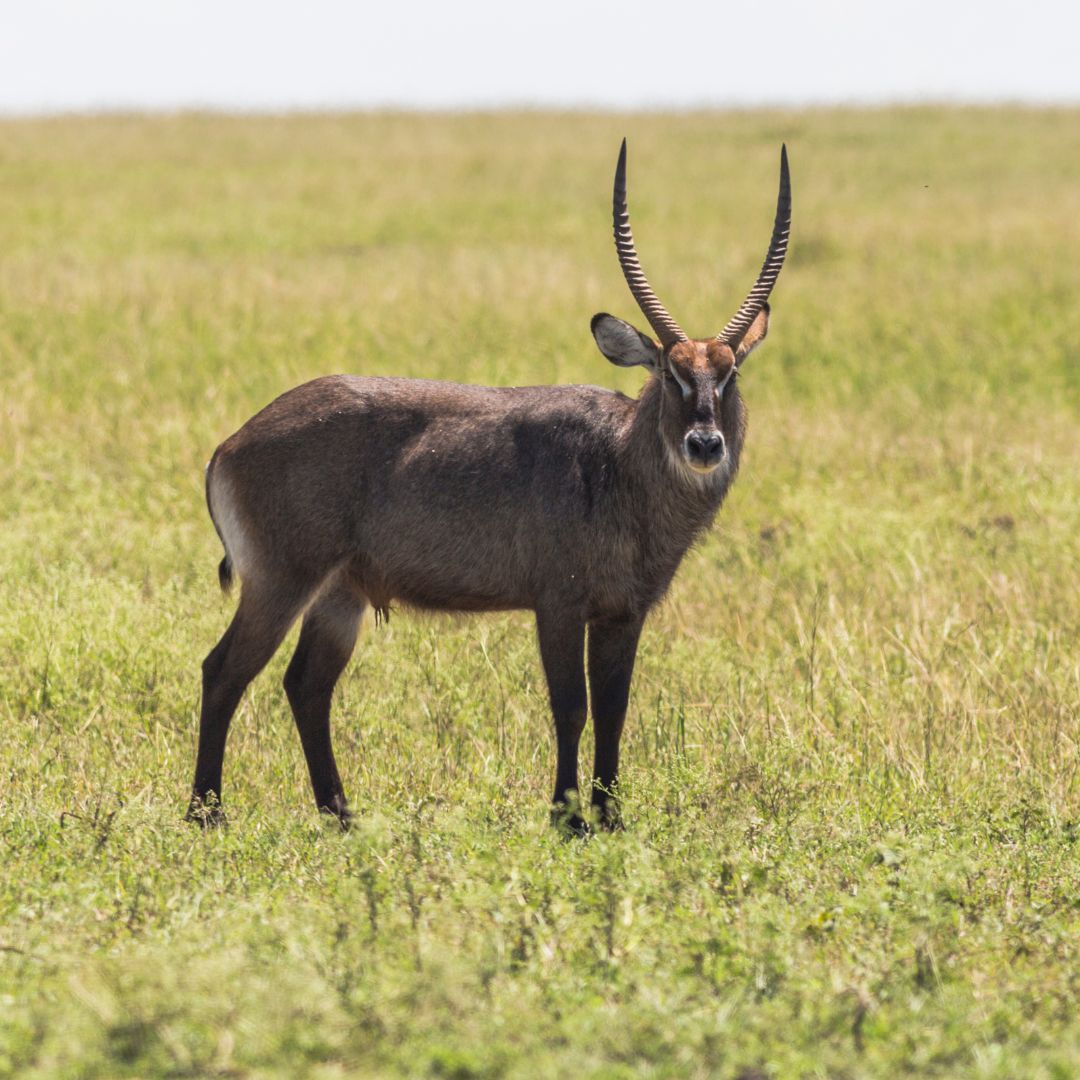
Waterbuck
Wetland Antelope
Waterbucks inhabit the park’s lush grasslands and wetland edges.
The Mountain Safari Park
Forests, Lakes & Volcanoes
Arusha National Park is one of Tanzania’s most underrated safari destinations — a place where travelers can walk beside giraffes, paddle across volcanic lakes, and explore rainforest beneath towering volcanic peaks.
Its proximity to Arusha city makes it ideal for day trips, short safaris, acclimatization before Mount Kilimanjaro, or travelers seeking a quieter and more scenic wildlife experience.
Elevation Range
1,500 – 4,566 m
Bird Species
400+
Volcanic Features
Crater & Lakes
Peak Season
Jun – Feb
When to Visit
Arusha National Park Season
☀️ Jan – Feb
Calving Season
The southern plains explode with newborn wildebeest calves — and the predators that follow them.
🌧️ Mar – May
Long Rains
Green season. Lush landscapes, newborn animals, dramatic skies, and far fewer tourists.
🍃 Jun – Jul
Dry Season
The migration moves north through the Western Corridor. Excellent predator viewing begins.
🔭 Aug – Oct
Peak Migration
Peak season. The northern Serengeti's Mara River crossings are at their most dramatic.
⛈️ Nov – Dec
Short Rains
Short rains refresh the landscape. The migration begins moving south again. Good birding.
Start Planning
Arusha National Park Tours
Safari Tours
3-Day Classic Northern Circuit Safari
3 Days
Crater Wonders & Rift Valley Adventures
From the giant elephant herds and ancient baobab trees of Tarangire to the spectacular wildlife-filled
Tell us your dream safari and our Tanzania-born specialists will craft a tailor-made itinerary — at no obligation. Browse our sample trips for inspiration, or let us start from scratch. Either way, we’ll make it unforgettable.