100% Tanzanian-Owned & Operated
Only a Few spots remaining for June-October 2026 peak season
The Geography of a Giant
To understand Mount Kilimanjaro is to understand the diversity of the entire planet concentrated into a single, massive volcanic massif. Standing as the highest free-standing mountain on Earth, Mount Kilimanjaro creates its own unique weather systems and houses five distinct ecological zones within its boundaries. Your journey begins at the base in the Cultivation Zone, characterized by rich volcanic soil and lush plantations, before quickly transitioning into the humid, ancient Montane Forest where the air is thick with life. As you gain elevation, the trees thin into the Giant Heather and Moorland zones, replaced by prehistoric-looking flora like the Groundsel and Lobelia. Higher still, the landscape transforms into a stark, lunar-like Alpine Desert, where only the hardiest life forms survive. Finally, the expedition reaches the Arctic Zone—the summit plateau where the oxygen is thin, the temperatures are extreme, and the iconic glaciers of Mount Kilimanjaro stand as silent sentinels over the African continent.
The sheer scale of Mount Kilimanjaro means that trekkers experience a climatic transition equivalent to traveling from the Equator to the Arctic Circle in less than a week. This “mountain in the sky” is a dormant stratovolcano composed of three distinct volcanic cones: Shira, Mawenzi, and the highest point, Kibo. While Shira and Mawenzi are older and more eroded, Kibo remains the majestic center of every Mount Kilimanjaro expedition, holding the legendary Uhuru Peak. Navigating this vertical world requires a deep respect for the environment and an understanding of how the human body reacts to the rapid loss of atmospheric pressure. The beauty of Mount Kilimanjaro lies not just in the destination, but in the dramatic shifting of the earth beneath your boots as you climb higher through the clouds, leaving the world behind for the thin, crystalline air of the peak.
Selecting the right itinerary is the most critical strategic decision of any Mount Kilimanjaro expedition. There is no single “best” way to the summit; rather, there are several distinct routes, each offering a different balance of physical challenge, scenic variety, and atmospheric adaptation. The legendary Lemosho Route is widely considered the gold standard for those seeking the highest possible success rates, as its longer duration allows the body more time to “climb high and sleep low” across the vast Shira Plateau. In contrast, the Machame Route, often called the “Whiskey Route,” provides a steeper, more adventurous profile that rewards trekkers with breathtaking vistas and the iconic scramble up the Great Barranco Wall. Each path on Mount Kilimanjaro is a unique classroom in high-altitude trekking, demanding different levels of endurance but all converging on the same ultimate goal: the volcanic rim of the Roof of Africa.
Every trail on Mount Kilimanjaro is designed to navigate the mountain’s massive vertical gain while managing the human body’s response to decreasing oxygen levels. While routes like the Marangu offer the only hut-based accommodation on the mountain, they feature a more direct ascent that requires rapid acclimatization. On the other hand, the northern circuits and western approaches provide a more remote, wilderness-heavy experience with lower foot traffic and expansive views into the Kenyan plains. Understanding the technical nuances of these routes—from the total distance covered in kilometers to the specific elevation gain per day—is essential for a safe and successful journey. Whether you prioritize the quiet solitude of the northern slopes or the high-energy camaraderie of the southern trails, your choice of route defines your entire relationship with Mount Kilimanjaro.
| Route | Duration | Difficulty | Scenery | Traffic | Success Rate |
|---|---|---|---|---|---|
| Lemosho | 7–8 Days | Medium | ★★★★★ | Low/Medium | 95% + |
| Machame | 6–7 Days | High | ★★★★☆ | High | 85% |
| Marangu | 5–6 Days | Medium | ★★☆☆☆ | Very High | 50–60% |
| Rongai | 6–7 Days | Medium | ★★★☆☆ | Low | 80% |
| Northern Circuit | 9 Days | Medium | ★★★★★ | Very Low | 98% |
Kilimanjaro Tours
Day Trips
Kilimanjaro Tours
Kilimanjaro Tours
Kilimanjaro Tours
Kilimanjaro Tours
Day Trips
Kilimanjaro Tours
Kilimanjaro Tours
Kilimanjaro Tours
Kilimanjaro Tours
Kilimanjaro Tours
Assess Your Summit Potential
Standing on the summit of Mount Kilimanjaro requires a precise combination of physical conditioning, mental resilience, and biological adaptability. While the mountain is a non-technical climb, the extreme altitude of 5,895 meters places unique demands on the human body that cannot be ignored. We have developed this safety assessment to help you evaluate your current level of preparation and identify which route on Mount Kilimanjaro best aligns with your physical profile. By analyzing your fitness habits, previous altitude experience, and health history, this tool provides a baseline for your journey toward Uhuru Peak.
Provide your details to receive your Success Score and curated expedition advice.
At the summit of Mount Kilimanjaro, there is approximately 50% less oxygen available than at sea level. This physiological reality makes the “Vertical Journey” a complex challenge for the human body. Understanding the science of acclimatization is the key to a successful expedition. As you ascend, the decreasing atmospheric pressure requires your body to undergo a series of biological adaptations, including an increase in heart rate and the production of more red blood cells to carry limited oxygen. We embrace a “Scientific Safety” approach, utilizing the Pole Pole (Slowly, Slowly) pace to give your cardiovascular system the necessary window to adjust. Navigating the slopes of Mount Kilimanjaro is not a race against the clock, but a strategic partnership with your own biology, ensuring that you reach the Arctic zone with the strength and clarity needed for the final push.
Because Mount Kilimanjaro reaches an altitude of 5,895 meters, safety is not a secondary concern—it is the foundation of the entire operation. Our medical protocols are designed to identify and manage the symptoms of Acute Mountain Sickness (AMS) before they become a risk. We conduct comprehensive health checks twice daily, using professional pulse oximeters to monitor your oxygen saturation levels and heart rate, cross-referencing these vitals with the Lake Louise Scoring System. Every expedition on Mount Kilimanjaro is equipped with medical-grade pressurized oxygen cylinders and advanced first-aid kits, managed by guides who are certified Wilderness First Responders. By combining high-altitude expertise with rigorous medical monitoring, we transform the formidable challenge of the mountain into a managed and predictable journey to the clouds.
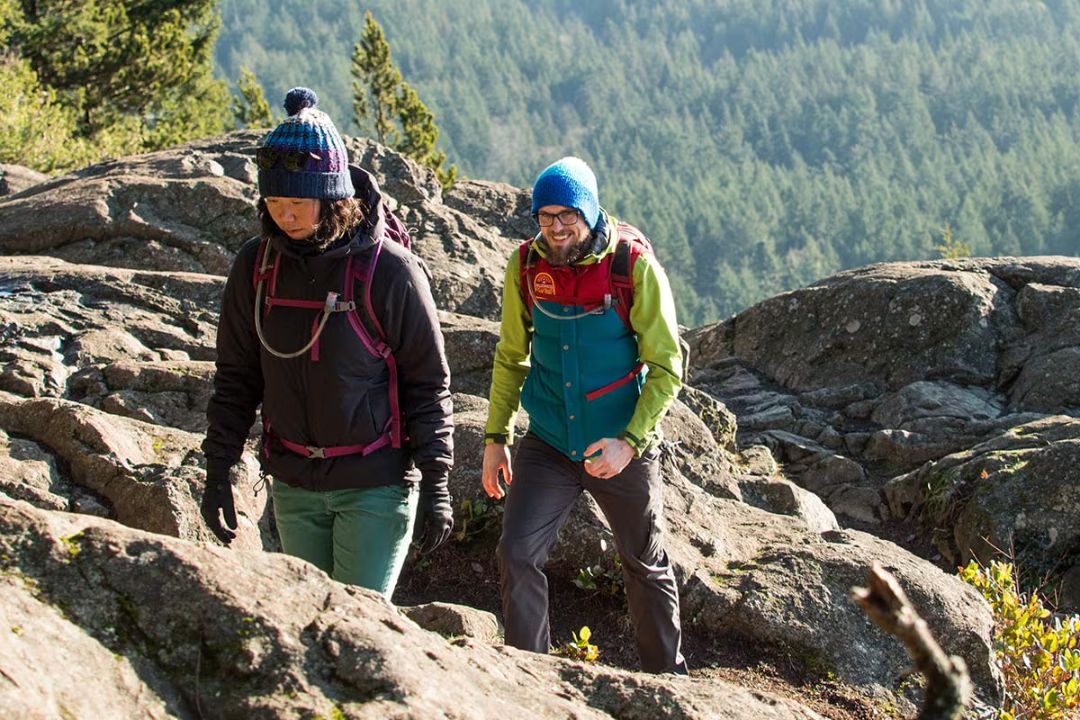
Preparing for Mount Kilimanjaro is a journey that begins months before you arrive in Tanzania. While the mountain does not require technical mountaineering skills like ice climbing or rope work, it demands a high level of cardiovascular endurance and “hiking legs.” The most effective training for Mount Kilimanjaro involves “Time on Feet”—long-distance walking or hiking that mimics the 5 to 8 hours of daily movement required on the trail. We recommend a training block that prioritizes inclined walking, stair climbing, and weighted hikes with a daypack. This preparation isn’t just about building muscle; it is about conditioning your heart and lungs to operate efficiently under physical stress, ensuring that when you reach the high-altitude zones where oxygen is scarce, your body can focus its energy on acclimatization rather than basic movement.
Physical fitness is only one half of the Mount Kilimanjaro success equation; mental resilience is the silent partner that gets you to the summit. As you ascend into the Alpine Desert and Arctic zones, the combination of cold temperatures, thin air, and physical fatigue will test your resolve. Successful trekkers are those who embrace the “Pole Pole” pace and maintain a positive mindset despite the rugged conditions of the high-altitude camps. Preparation should include mental “dry runs”—understanding the summit night itinerary, visualizing the slow ascent up the final scree slopes of Kibo, and preparing for the discomfort of sub-zero temperatures. By combining a rigorous physical training plan with a disciplined mental approach, you transform Mount Kilimanjaro from an intimidating obstacle into a manageable and life-changing achievement.
Testimonials
Verified Once in a lifetime adventure I had an amazing experience with Kilimanjaro Ravens. I visited the Materuni village with my guide Karly where we saw the waterfalls and did a coffee tour. I then climbed Kilimanjaro via the Lemosho route and finished my trip by visiting the Chemka hot spring, which felt great after the climb. From the moment I got to the airport, everything was well organized. Everyone on the team made me feel genuinely supported throughout the journey. And they went above and beyond making sure I always had everything I needed, even bringing me a cake on the mountain for my birthday! Even as a solo climber/traveller, I always felt safe and the team was very professional. I highly recommend them for your next adventure. Mine was truly unforgettable!!Verified Authentic Arusha city tour The experience was superb!☺️👌The places were so beautiful,the locals were so welcoming we really enjoyed ourselves...I personally would wish to visit again very soon(inshallah 🤲)..... Karlmarx the tour guide is so kind and professional I really liked his services.Verified Lemosho Route I climbed Mount Kilimanjaro with Kilimanjaro Ravens via the 8-day Lemosho Route and it was an unforgettable experience.From the moment we arrived everything was very well organized. Our guides ( Karlmarx & Peter ) and the entire crew were incredibly professional,supportive and knowledgeable.They constantly checked on our health,encouraged us during the difficult moments and made sure we were safe and comfortable throughout the trek. The team worked so hard every day the food was amazing,the camps were well prepared and the positive energy from the crew made the journey even more special. The Lemosho Route was beautiful with incredible landscapes each day and reaching the summit of Kilimanjaro was truly a dream come true.I couldn’t have done it without such a dedicated team. I highly recommend Kilimanjaro Ravens to anyone planning to climb Kilimanjaro.It was a life-changing adventure and I’m very grateful to the whole team.Verified Materuni Experience I had a wonderful day visiting Materuni Village with Kilimanjaro Ravens.The trip from Moshi was only about an hour and it was a perfect way to spend a free day near Mount Kilimanjaro. The walk to Materuni Waterfall was beautiful and the waterfall itself was stunning.One of my favorite parts was the traditional coffee experience with the local Chagga community.I learned how coffee is made from the beans to the cup and the process included singing and dancing which made it really fun and memorable. I also enjoyed delicious local dishes prepared in the village which made the experience feel very authentic.The guide was friendly,knowledgeable and made the whole day smooth and enjoyable. If you have a free day in Moshi,I highly recommend the Materuni Village and coffee tour with Kilimanjaro Ravens.It’s a great mix of nature,culture and local hospitalityVerified Machame Route with Kilimanjaro Ravens I had an unforgettable experience climbing Mount Kilimanjaro via the Machame Route with Kilimanjaro Ravens.From the very first day,the team made sure everything was organized and that we felt safe and comfortable throughout the trek. The guides were extremely knowledgeable and supportive ( Karlmarx & Peter ),always checking on our health and motivating us during the challenging parts of the climb. The porters and chef worked tirelessly,making sure camps were set up perfectly and meals were delicious and nourishing a huge help for keeping our energy up. Summit day was tough but incredibly rewarding.Reaching Uhuru Peak with the guidance and support of this amazing team was a life-changing moment I’ll never forget. If you’re planning a climb on Kilimanjaro,I highly recommend the Machame Route with Kilimanjaro Ravens.Their professionalism,care and dedication make the whole journey smooth,safe and truly memorable.Verified Reaching a summit: Great journey with Kilimanjaro Raven Trek and Safari. I had an amazing experience climbing Mount Kilimanjaro, and I couldn’t have asked for a better guide than Karly. The tour was organized by Kilimanjaro Raven Trek and Safari, and everything was very well arranged from the beginning to the end. Karly was professional, knowledgeable, and very supportive throughout the entire journey. He made sure everyone felt safe, comfortable, and motivated, especially during the more challenging parts of the climb. His knowledge about the mountain, the routes, and the local environment really added great value to the experience. He was also very patient and encouraging, which made reaching the summit even more special. Overall, it was an unforgettable adventure, and I highly recommend Kilimanjaro Raven Trek and Safari to anyone planning to climb Kilimanjaro. If you have the chance to go with Karly as your guide, you will be in very good hands!Verified Lemosho Route With My Friends Climbing Mount Kilimanjaro via the Lemosho Route with Kilimanjaro Ravens was one of the most incredible adventures of my life.The team was professional,friendly and incredibly supportive from the first day to the summit. Our guides made sure we kept the right pace and checked on our health every day,which helped us reach Uhuru Peak successfully.The porters and chef were amazing and always welcomed us to camp with smiles and great meals. If you’re looking for a trustworthy team to climb Kilimanjaro with,we highly recommend Kilimanjaro RavensVerified Superb Kilimanjaro Team I did the 5 days Marangu route trip with Kilimanjaro Ravens and i had an amazing experience.The price was reasonable based on my search comparing to other companies. The Guides,Cooks and porters were amazing,sociable,helpful and professional.Karlmarx did a great job guiding me and answering any questions i potentially had. I’m happy i did this trip with them and would do it again if the future brings me back on Kili. Kilimanjaro Ravens,you are the best.Verified Enjoy the vibe and the company Incredible Kilimanjaro Trek with Kilimanjaro Raven I had an amazing experience trekking the Marangu Route with Kilimanjaro Raven!My guide,Karlmarx was outstanding-knowledgeable,supportive and always ensuring my safety.The porters and chef were fantastic,providing delicious meals and great hospitality throughout. A big thanks to them,who made planning seamless,handling all logistics with professionalism and care.The whole team's dedication made reaching Uhuru Peak an unforgettable achievement. If you're planning to climb Kilimanjaro,Kilimanjaro Raven is the way to go -highly recommended! Asante sana!Verified An exceptional Kilimanjaro guide If you are planning to climb Kilimanjaro, Karlmarx is an outstanding guide who ensures a safe, well-organized, and memorable experience. His clear communication from the planning stages through to the final ascent made the entire process smooth and reassuring. His deep knowledge of the mountain, including altitude management, pacing, and route selection, provided a strong sense of security throughout the trek. His professionalism, combined with his ability to adapt to each trekker’s needs, made a significant difference in both preparation and execution. Beyond his expertise, Karlmarx is a dedicated and compassionate leader. He consistently monitored the group’s well-being, maintained a positive atmosphere, and offered encouragement during the most challenging moments—especially on summit night, when his guidance and motivation were instrumental in reaching the top. His attention to detail, commitment to safety, and ability to foster camaraderie among the group elevated the entire experience. With Karlmarx, climbing Kilimanjaro is not just about reaching the summit—it is about doing so with confidence, support, and an exceptional level of professionalism. His leadership, knowledge, and character make him a guide of the highest standard.
The Five Worlds
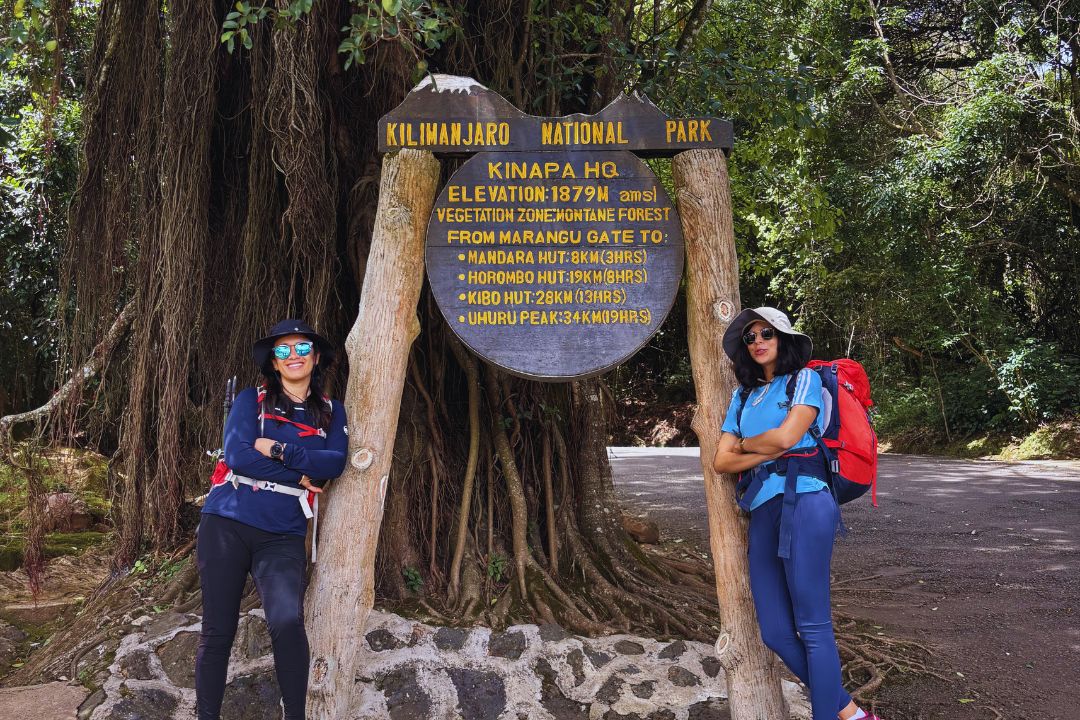
Mount Kilimanjaro is one of the few places on Earth where you can experience five distinct ecological systems in a single week. This “island in the sky” begins in the Cultivation Zone, where lush rainfall supports local agriculture, before transitioning into the Montane Rainforest, a high-canopy world filled with ancient ferns, moss-covered trees, and the occasional sighting of Blue Monkeys or Colobus monkeys. As you pass 3,000 meters, the forest disappears into the Moorland and Heather Zone, a surreal landscape dominated by the iconic Giant Groundsels (Dendrosenecio kilimanjari) and Lobelias, which have evolved unique ways to survive the intense radiation and nightly frosts of the mountain.
The upper reaches of Mount Kilimanjaro offer a stark contrast to the verdant slopes below. Above 4,000 meters, you enter the Alpine Desert, a high-altitude wilderness where extreme temperature swings and minimal rainfall create a landscape of volcanic rock and hardy lichens. This is the doorstep to the final zone: the Arctic Zone. Here, life is virtually non-existent, and the landscape is defined by the massive, prehistoric glaciers that have capped the mountain for millennia. This ecological variety makes Mount Kilimanjaro a destination of immense scientific and aesthetic value; it is a living museum of climate history, where the transition from tropical heat to arctic ice happens over the course of just a few vertical kilometers.
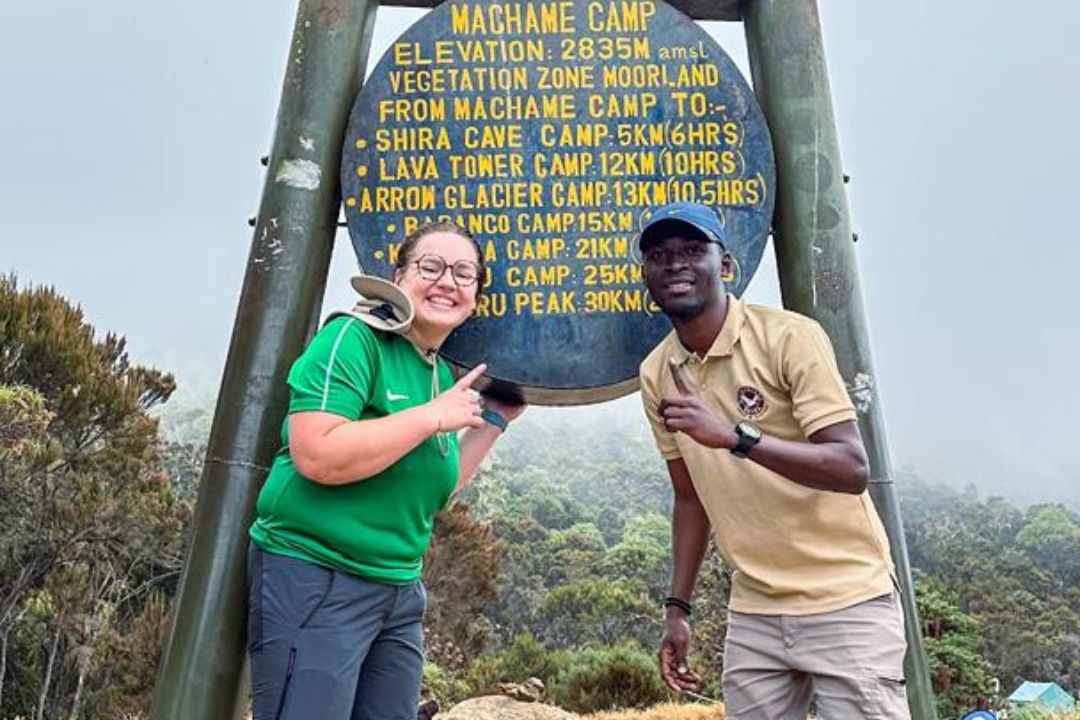
Summit night is the defining moment of every Mount Kilimanjaro expedition. Typically beginning around midnight from the high camps of Barafu or Kibo, the final push is a psychological and physical battle against the elements. The climb takes place under the stars, navigating steep, frozen volcanic scree slopes toward the crater rim. This “Alpine Start” is strategically timed to ensure you reach the summit at sunrise, providing the most stable weather conditions and the most spectacular views across the African continent. Moving in a slow, rhythmic “Pole Pole” line, you will focus on your breathing and steady footsteps, guided by the beams of headlamps through the sub-zero temperatures. This is where the preparation and acclimatization of the previous days converge, leading you through the final vertical kilometers of Mount Kilimanjaro.
The arrival at Stella Point or Gilman’s Point on the crater rim marks the beginning of the end of the journey. As the first light of dawn illuminates the Rebmann and Furtwängler Glaciers, you will traverse the final stretch to Uhuru Peak, the highest point on Mount Kilimanjaro at 5,895 meters. Standing at the iconic summit sign, you are rewarded with a 360-degree view above the clouds, a moment of profound achievement that few people on earth ever experience. The descent is equally important; after celebrating at the peak, you will begin a rapid move down to lower elevations where the air is thicker and richer in oxygen. The logistical precision required for this 12-to-15-hour day is what separates a standard trek from an elite Mount Kilimanjaro expedition.
The long dry season offers crisp air, firm trails, and cloudless horizons. Ideal for photography and stable trekking conditions.
Slightly colder temperatures rewarded by incredibly clear mornings and a quieter mountain atmosphere before the rains.
Heavy snow at the summit and slippery trails. Reserved for those seeking a solitary, highly demanding technical challenge.
Have Questions?