2006
3,245 km²
Rhino Sanctuary
Jun – Oct
Mkomazi National Park is one of Tanzania’s least-visited and most conservation-focused safari destinations. Stretching along the Kenyan border beneath the Pare and Usambara Mountains, the park forms part of the vast Tsavo–Mkomazi ecosystem, creating an enormous transboundary wilderness shared with Kenya’s Tsavo National Parks.
Unlike the busier northern safari circuit parks, Mkomazi offers a raw and quiet safari atmosphere defined by open savannah, dry acacia woodland, rugged hills, and iconic baobab trees. The landscape is strikingly different from Serengeti or Ngorongoro — harsher, drier, and deeply authentic.
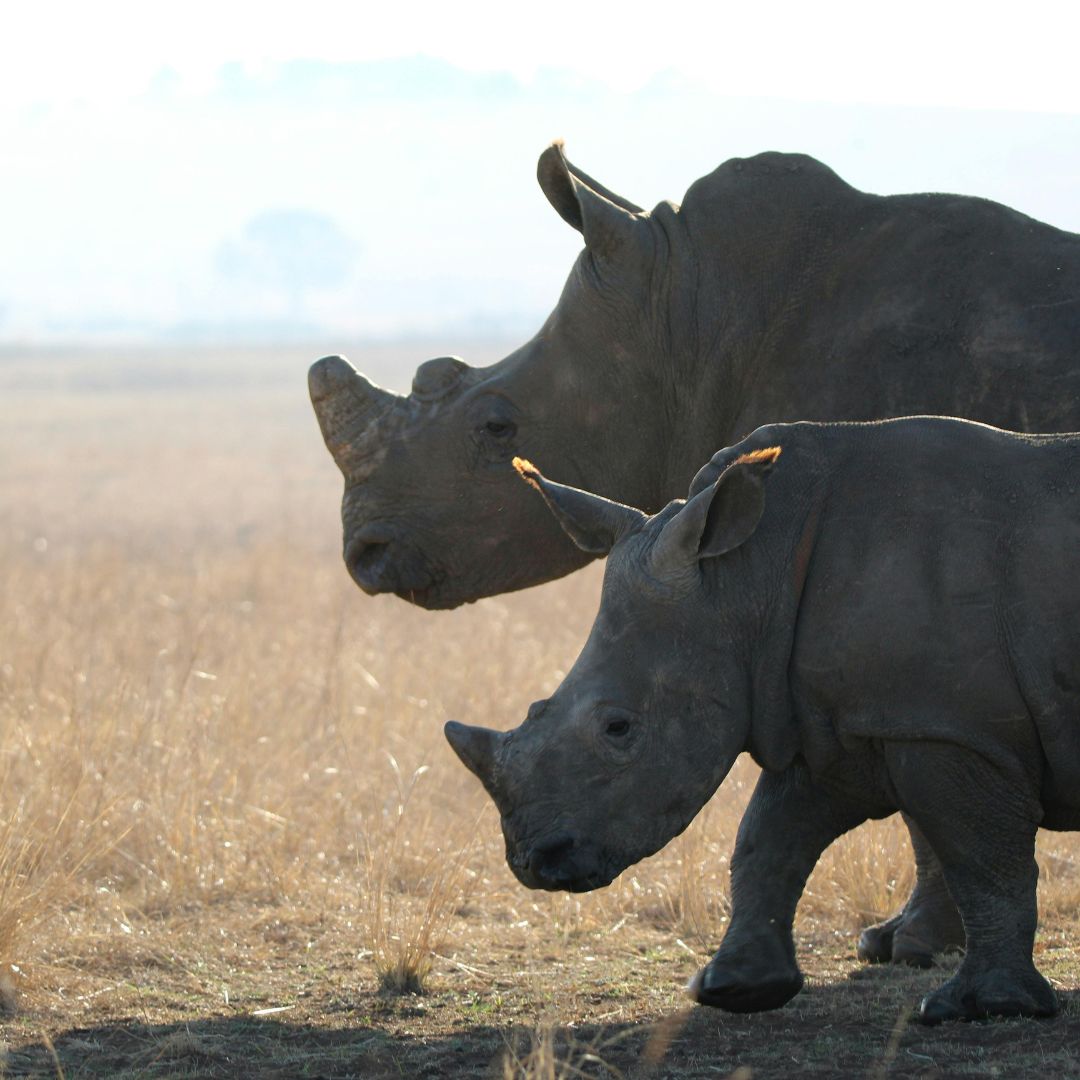
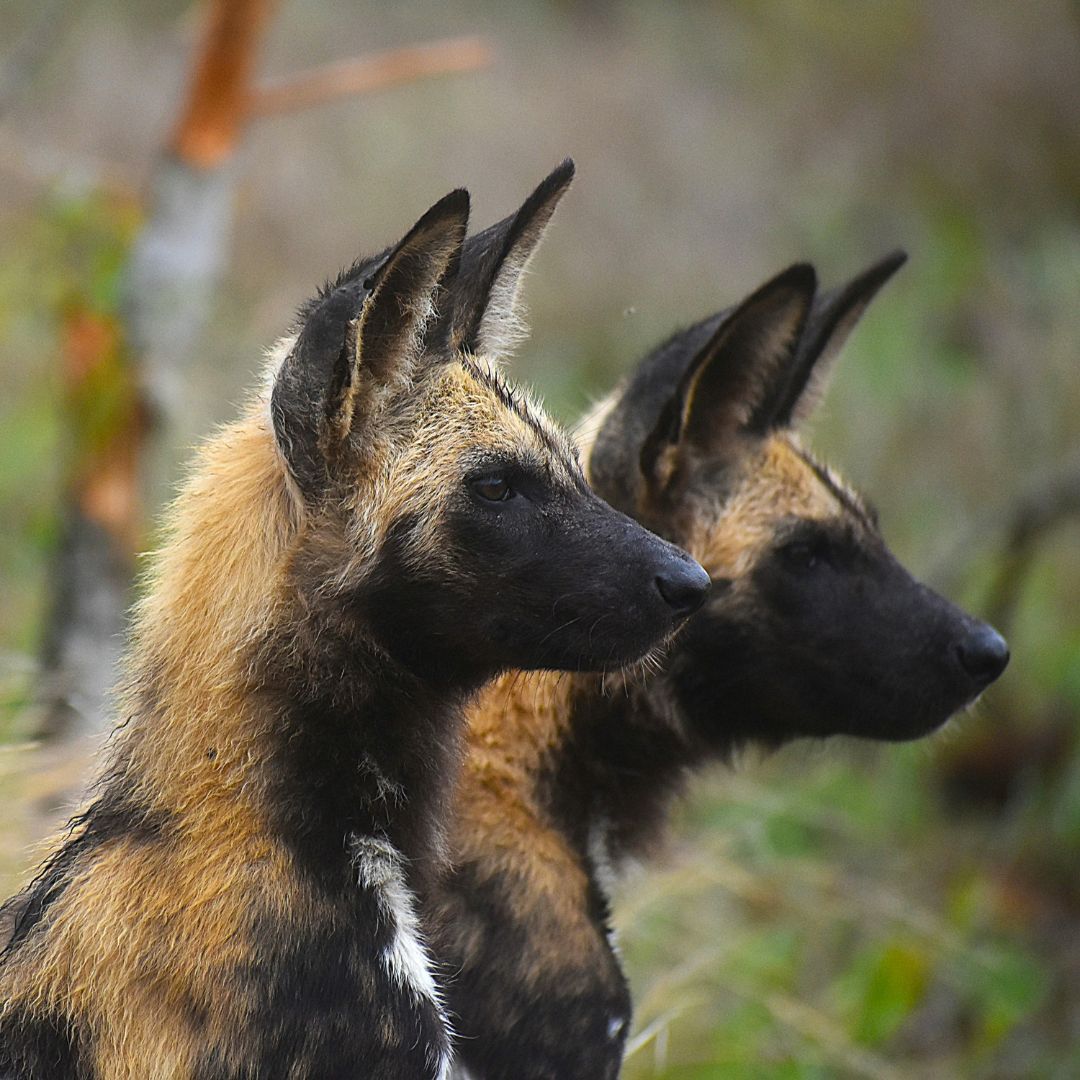
The park is internationally important for its endangered species recovery programs. Mkomazi hosts one of East Africa’s most successful black rhino sanctuaries and plays a major role in African wild dog conservation. Carefully protected within fenced conservation zones, both species are gradually recovering after decades of decline across East Africa.
Wildlife densities are lower than Serengeti, but sightings often feel far more exclusive. Visitors can spend entire game drives without encountering another vehicle, making Mkomazi especially attractive for travelers seeking solitude, birding, conservation tourism, and off-the-beaten-path safaris.
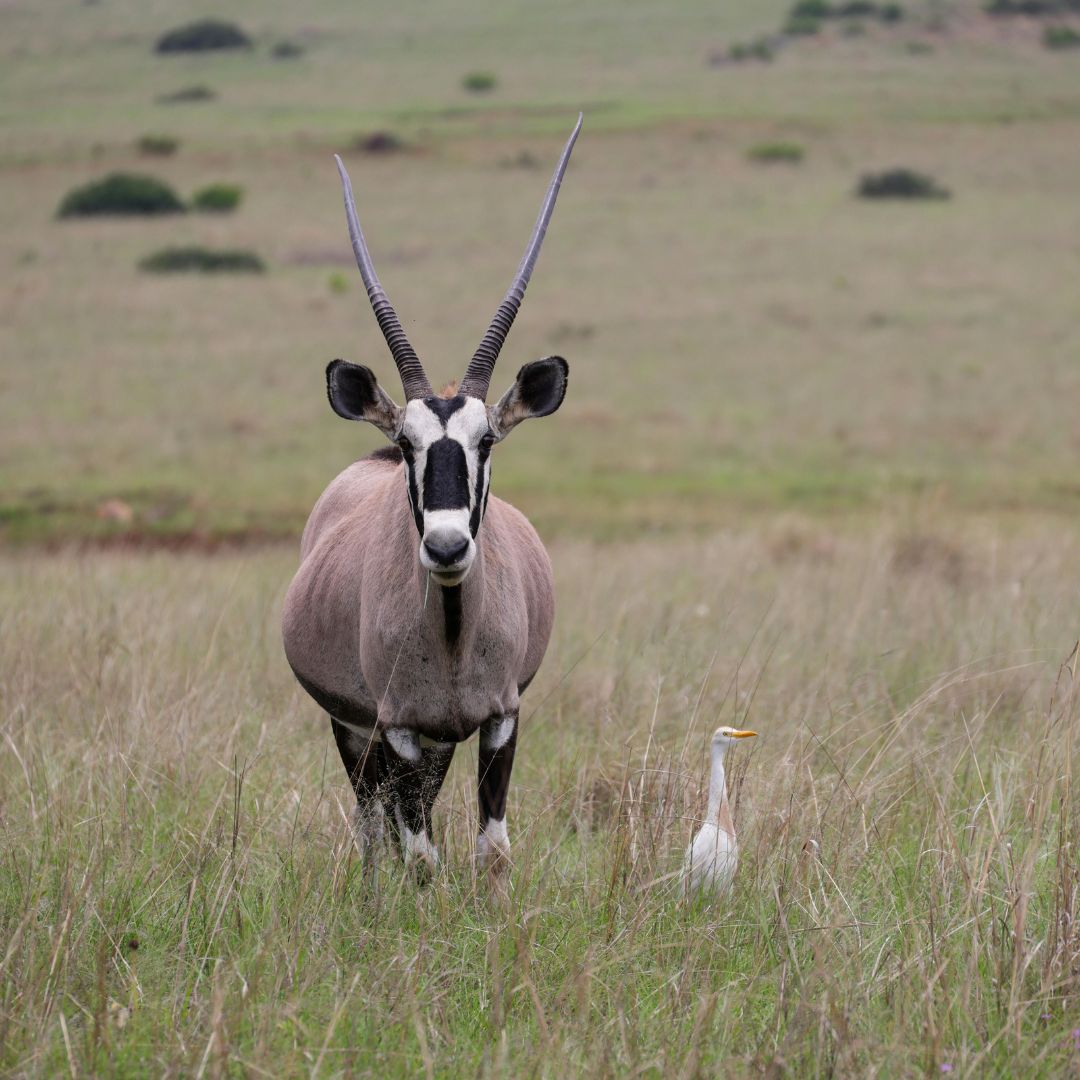
The park also supports elephants, giraffes, zebras, elands, hartebeests, lesser kudus, oryx, buffalo, cheetahs, leopards, and over 450 bird species. On exceptionally clear days, Mount Kilimanjaro rises dramatically on the horizon from the western sections of the park.
Mkomazi’s fenced sanctuary protects one of Tanzania’s most important black rhino populations. This controlled environment allows close monitoring, breeding, and long-term survival of a species once nearly lost in the region.
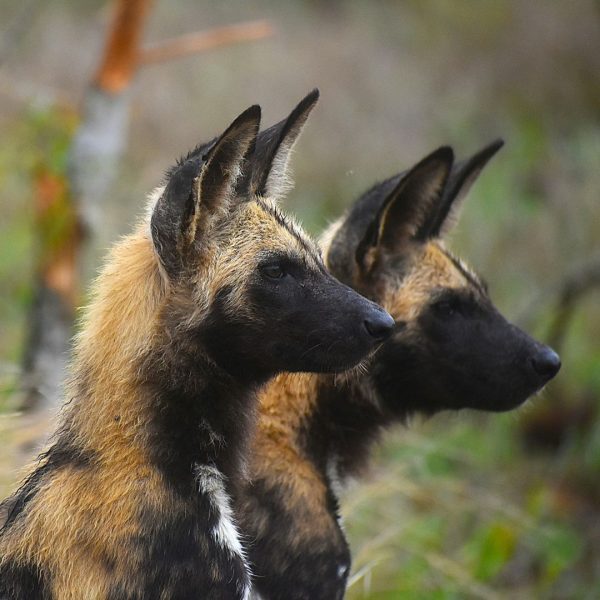
The park plays a key role in protecting and rehabilitating African wild dogs, one of Africa’s most endangered predators.
The dominant landscape of Mkomazi consists of wide, open plains scattered with ancient baobab trees and dry acacia woodland.
Mkomazi connects directly with Kenya’s Tsavo ecosystem, allowing wildlife migration and genetic exchange across borders.
One of Mkomazi’s defining features is its lack of crowds, even during peak season.
A protected wilderness where rare species survive in one of Tanzania’s most important conservation landscapes.
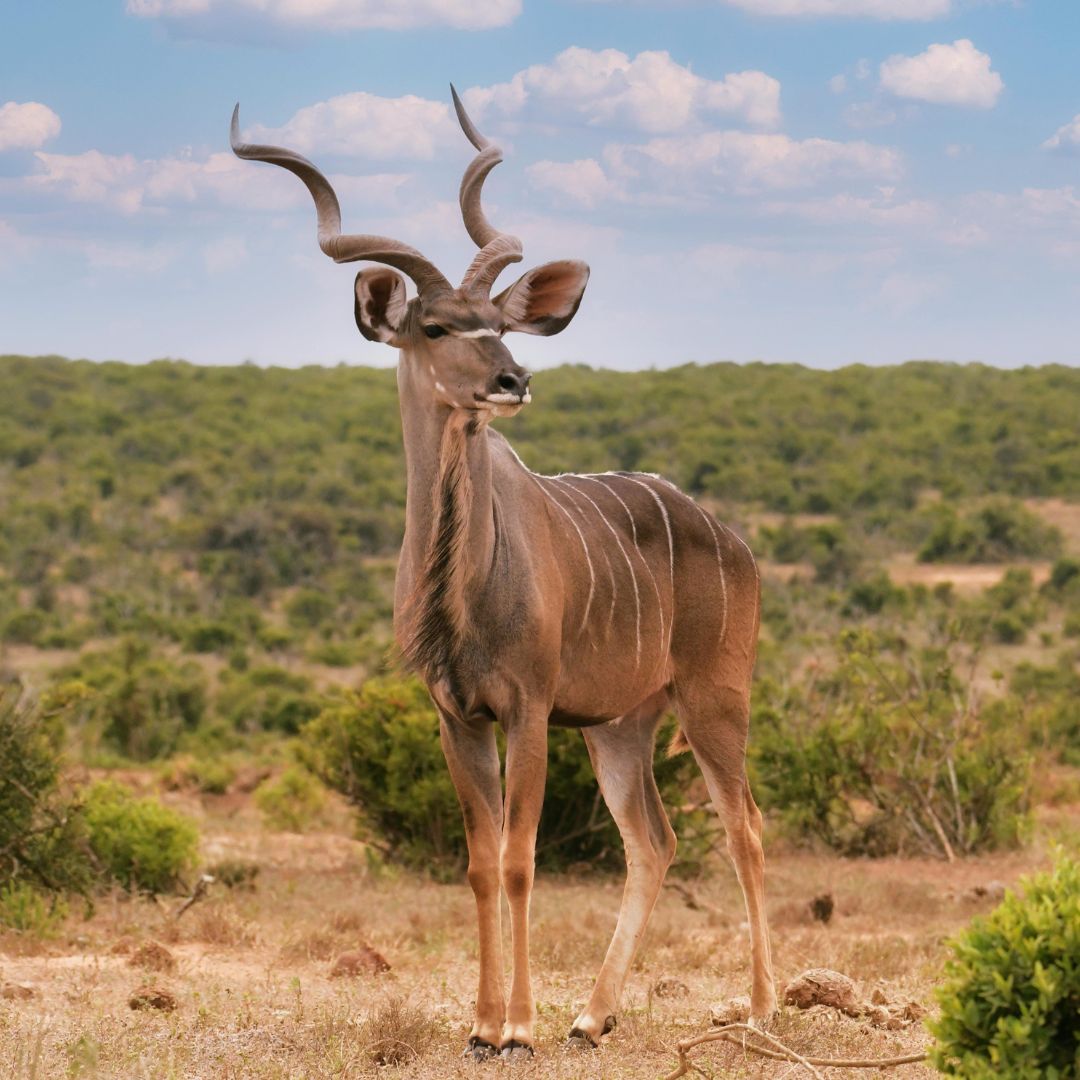
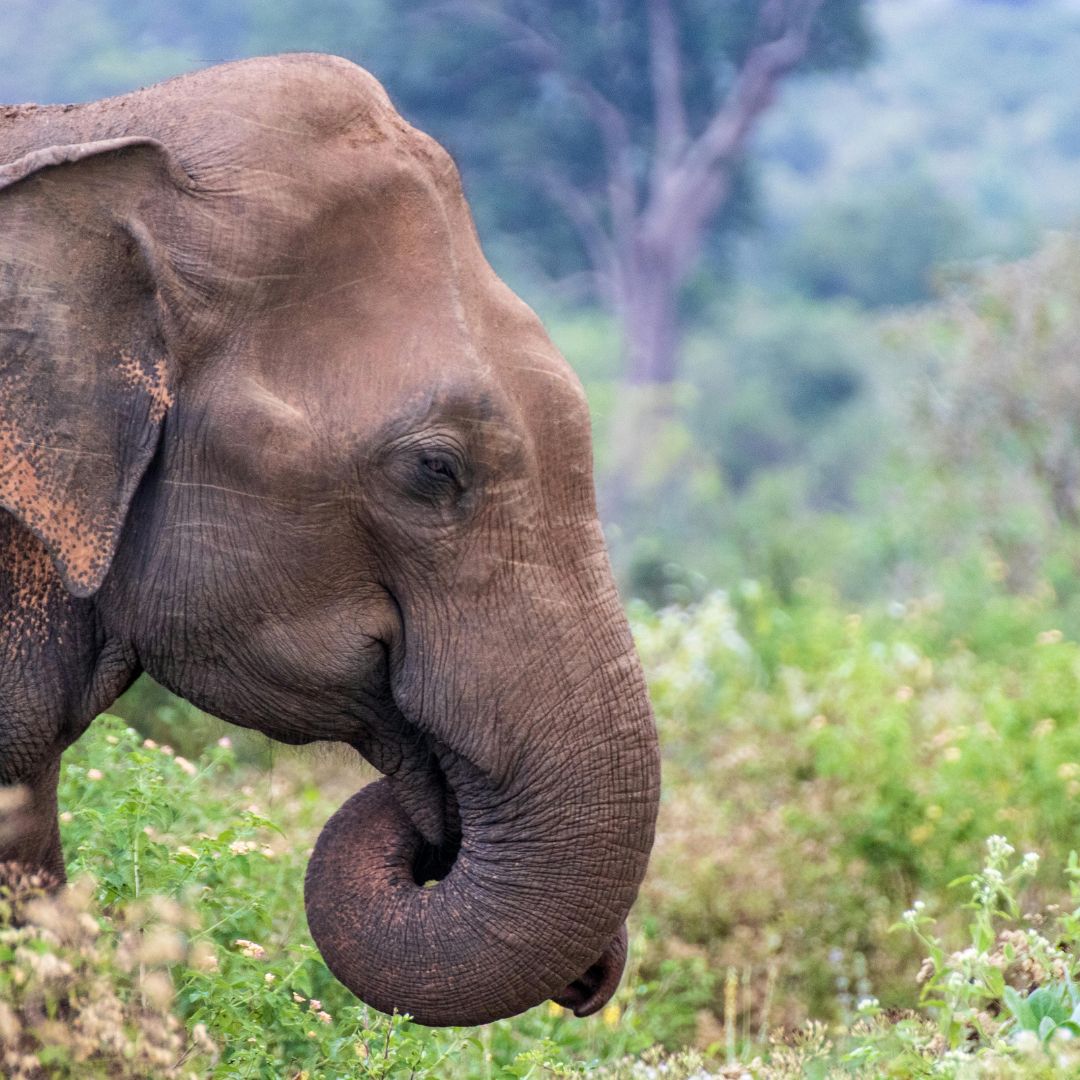
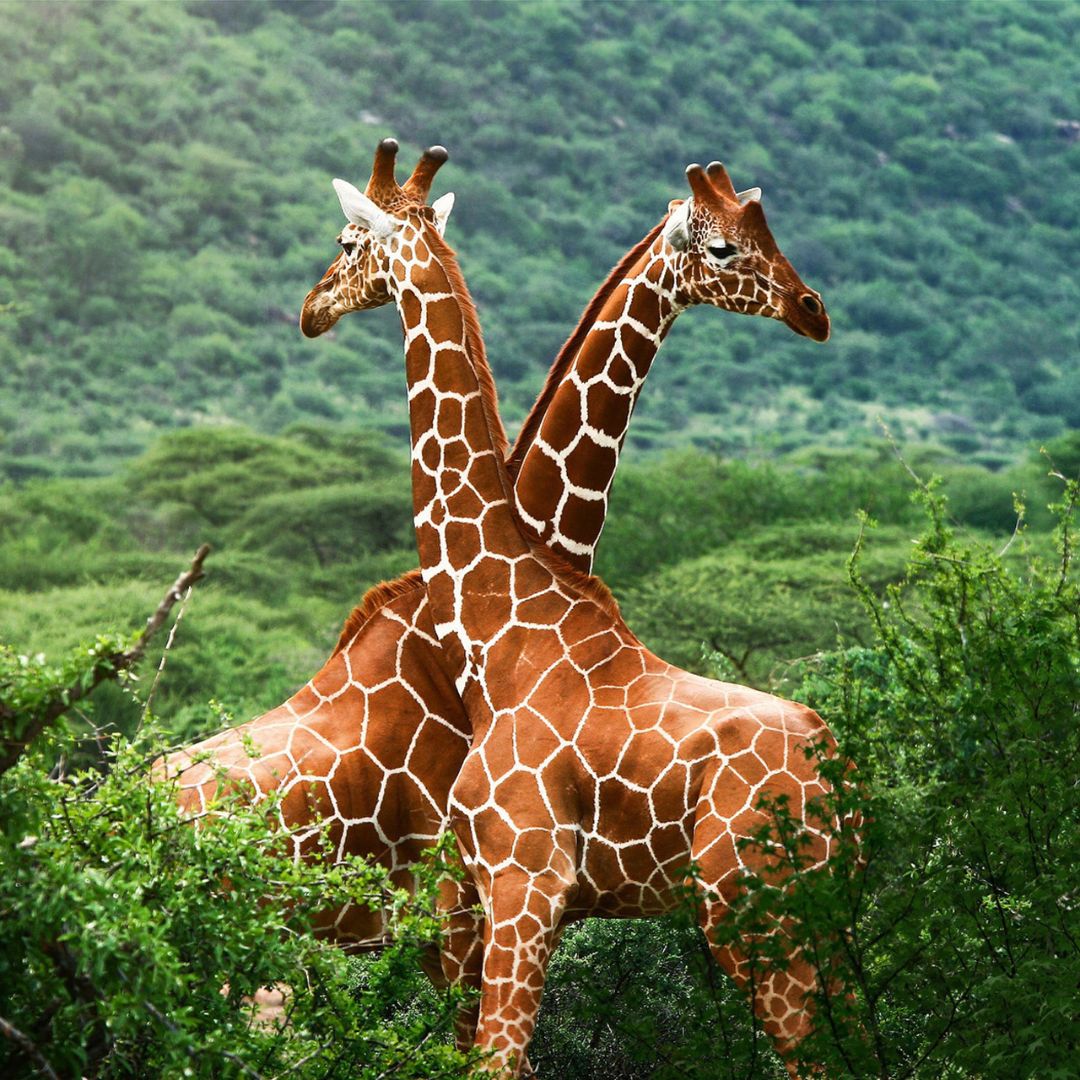
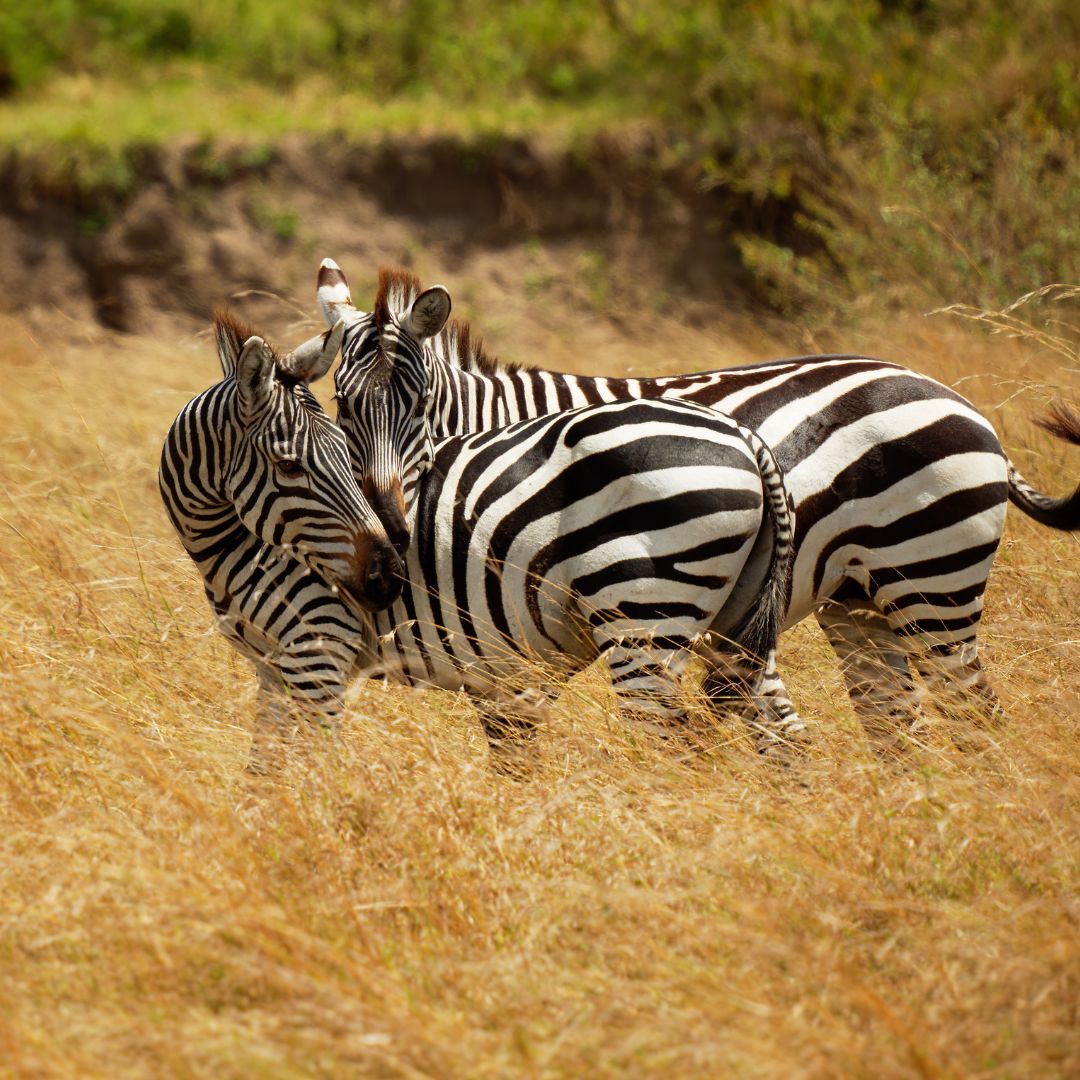
Mkomazi is not a traditional tourism-first safari park — it is a conservation landscape first.
Decades ago, wildlife populations were heavily depleted due to poaching and habitat pressure. Today, the park is a model for restoration, where endangered species are carefully protected and gradually reintroduced into natural ecosystems.
The black rhino sanctuary and wild dog project are internationally recognized conservation programs that make Mkomazi one of East Africa’s most important ecological recovery zones.
The southern plains explode with newborn wildebeest calves — and the predators that follow them.
Green season. Lush landscapes, newborn animals, dramatic skies, and far fewer tourists.
The migration moves north through the Western Corridor. Excellent predator viewing begins.
Peak season. The northern Serengeti's Mara River crossings are at their most dramatic.
Short rains refresh the landscape. The migration begins moving south again. Good birding.
Safari Tours
Safari Tours
Safari Tours
Safari Tours
Safari Tours
Safari Tours