Where emerald forests, flamingo-lined shores, and tree-climbing lions create Tanzania’s most dramatic small park safari.
Established
1960
Area
330 km²
Big Five
4 Present
Best Time
Jun – Oct
About the Park
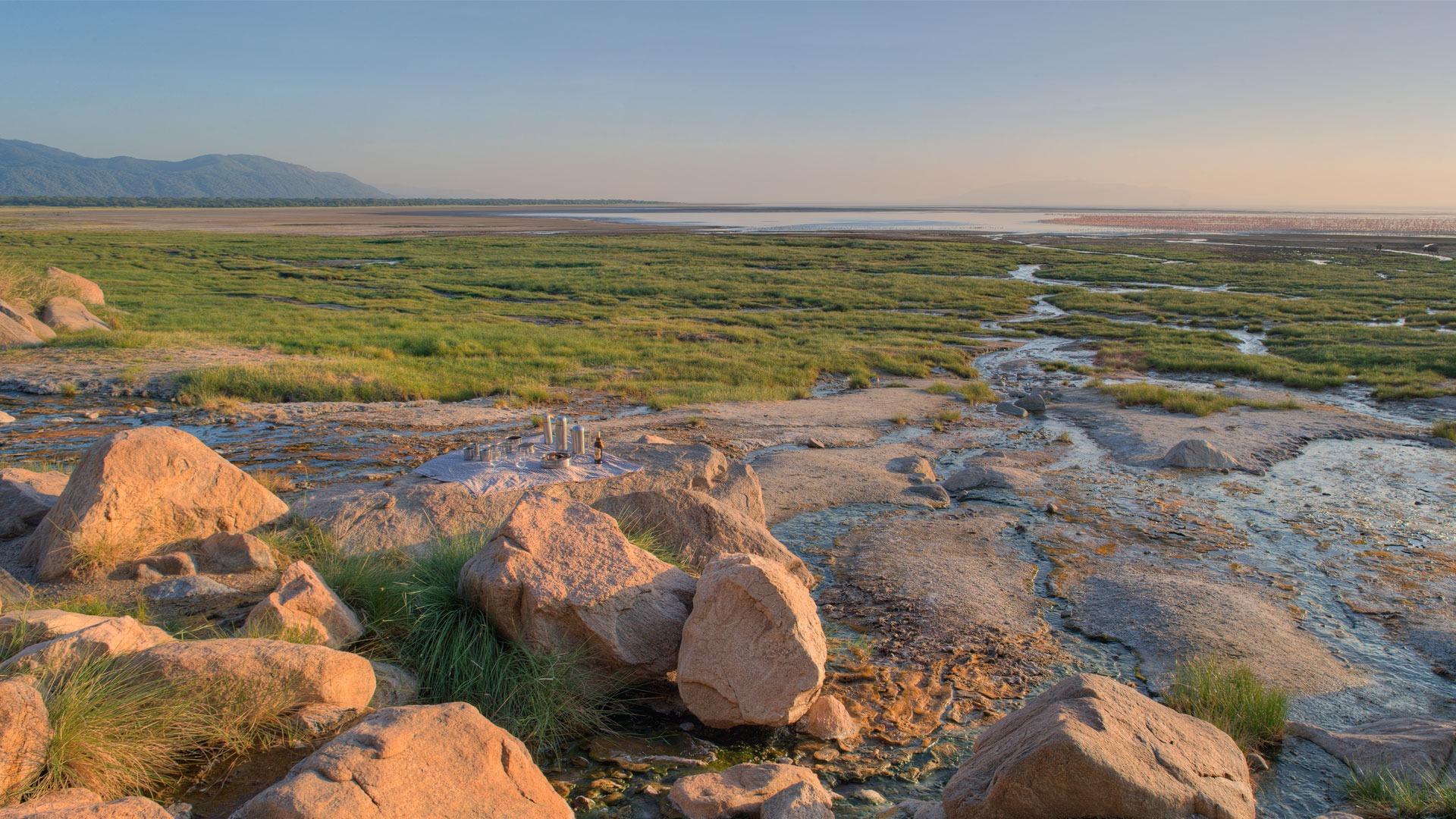
Lake Manyara National Park is one of Tanzania’s most visually diverse safari destinations — a compact but spectacular wilderness stretching between the dramatic Great Rift Valley escarpment and the shimmering alkaline waters of Lake Manyara. Despite its relatively small size, the park contains an extraordinary variety of ecosystems including groundwater forests, acacia woodland, open grasslands, hot springs, marshes, and the vast soda lake itself.
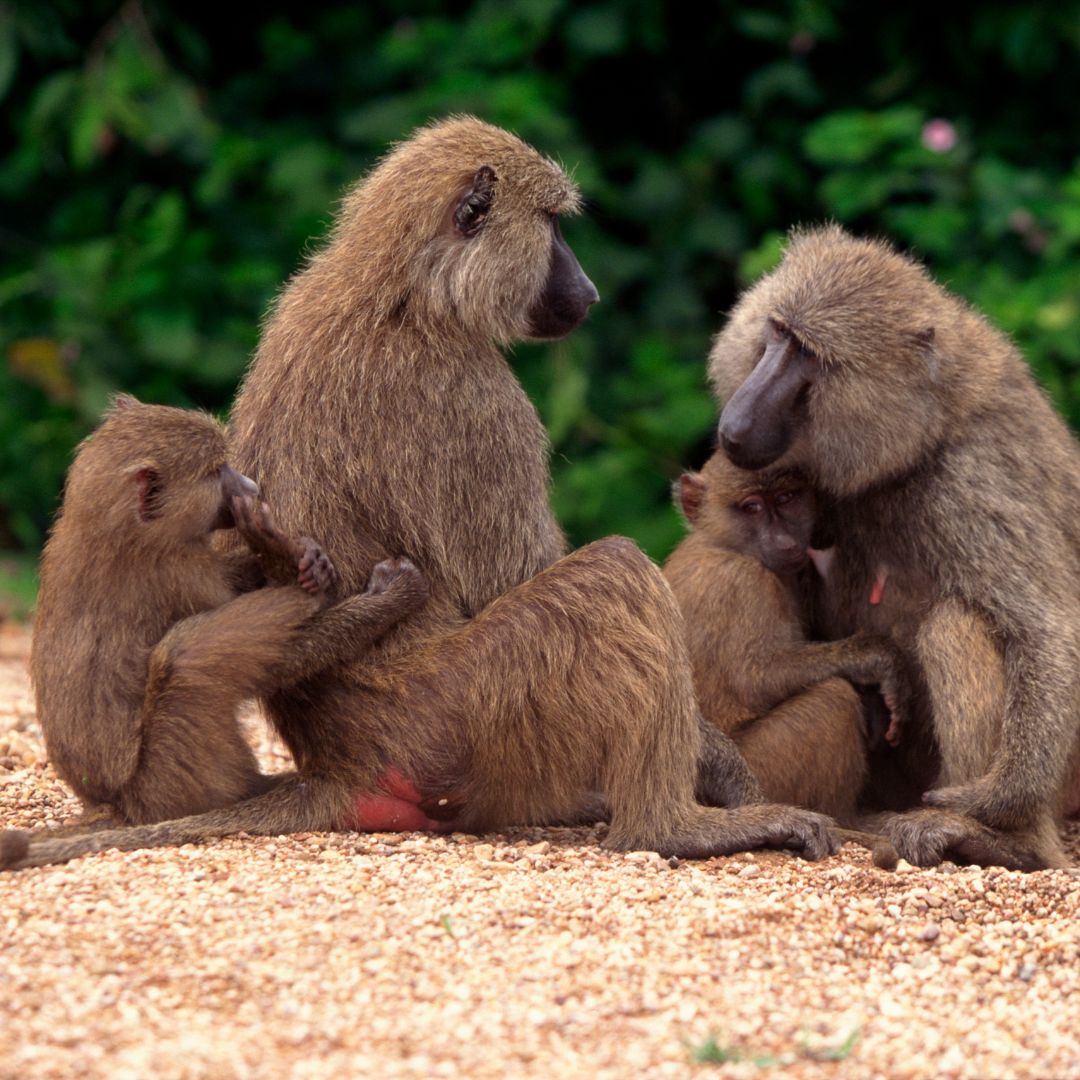
Famous for its legendary tree-climbing lions and enormous troops of baboons, Manyara offers one of the richest concentrations of wildlife per square kilometre in Tanzania. Seasonal flamingo migrations paint the lake pink, while elephants roam through lush forests fed by underground springs flowing from the Rift Valley wall. More than 400 bird species have been recorded here, making the park a paradise for bird lovers and photographers alike.
Regions of the Park
Four Ecosystems, One Extraordinary Landscape.
Groundwater Forest
Northern Entrance Zone
Dense underground-water forests dominated by giant mahogany and fig trees create a cool jungle-like atmosphere near the park entrance. Blue monkeys, baboons, elephants, and hornbills thrive beneath the canopy.
Ancient mahogany trees
Large baboon troops
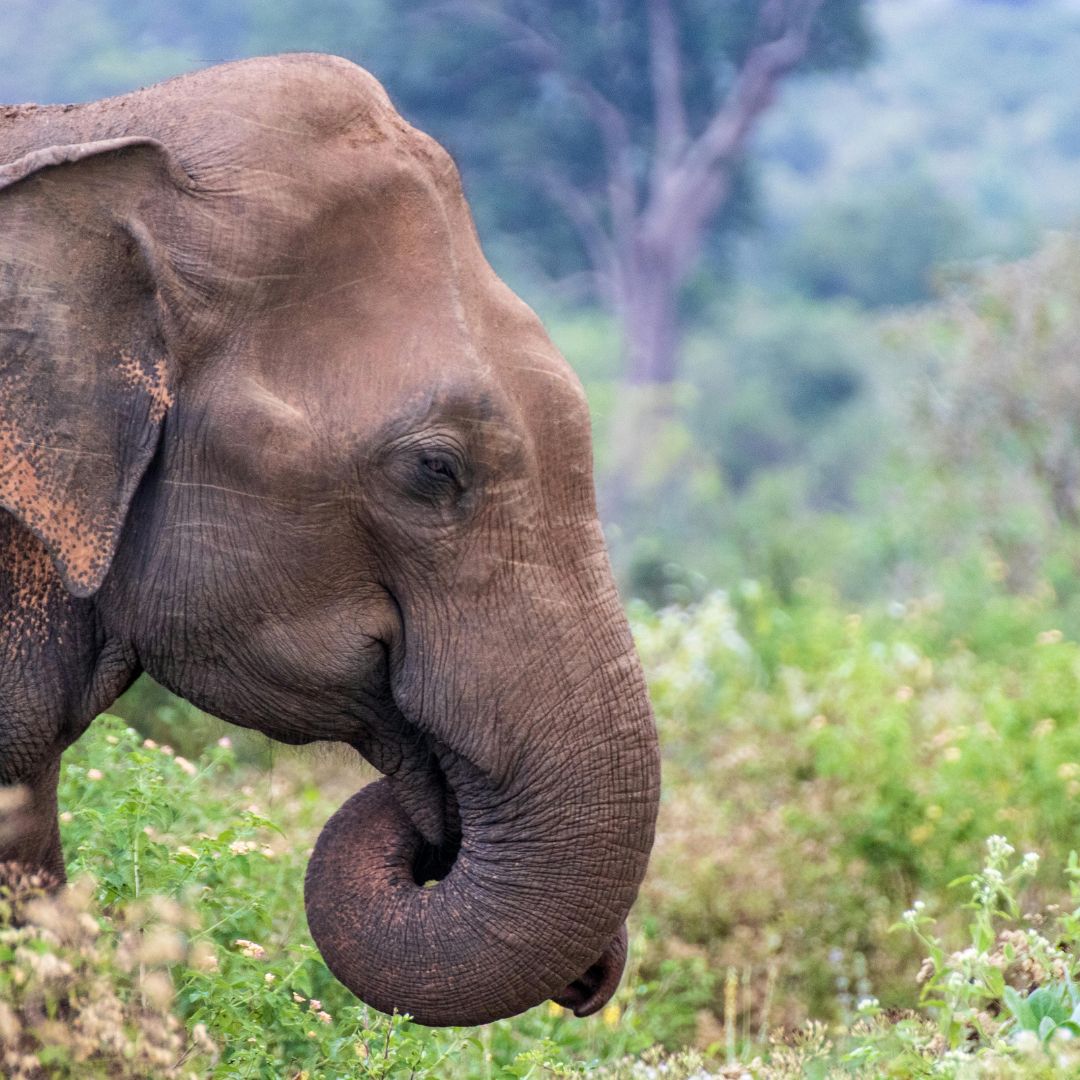
Forest elephants
Blue monkey sightings
Lake Shoreline
Flamingo Corridor
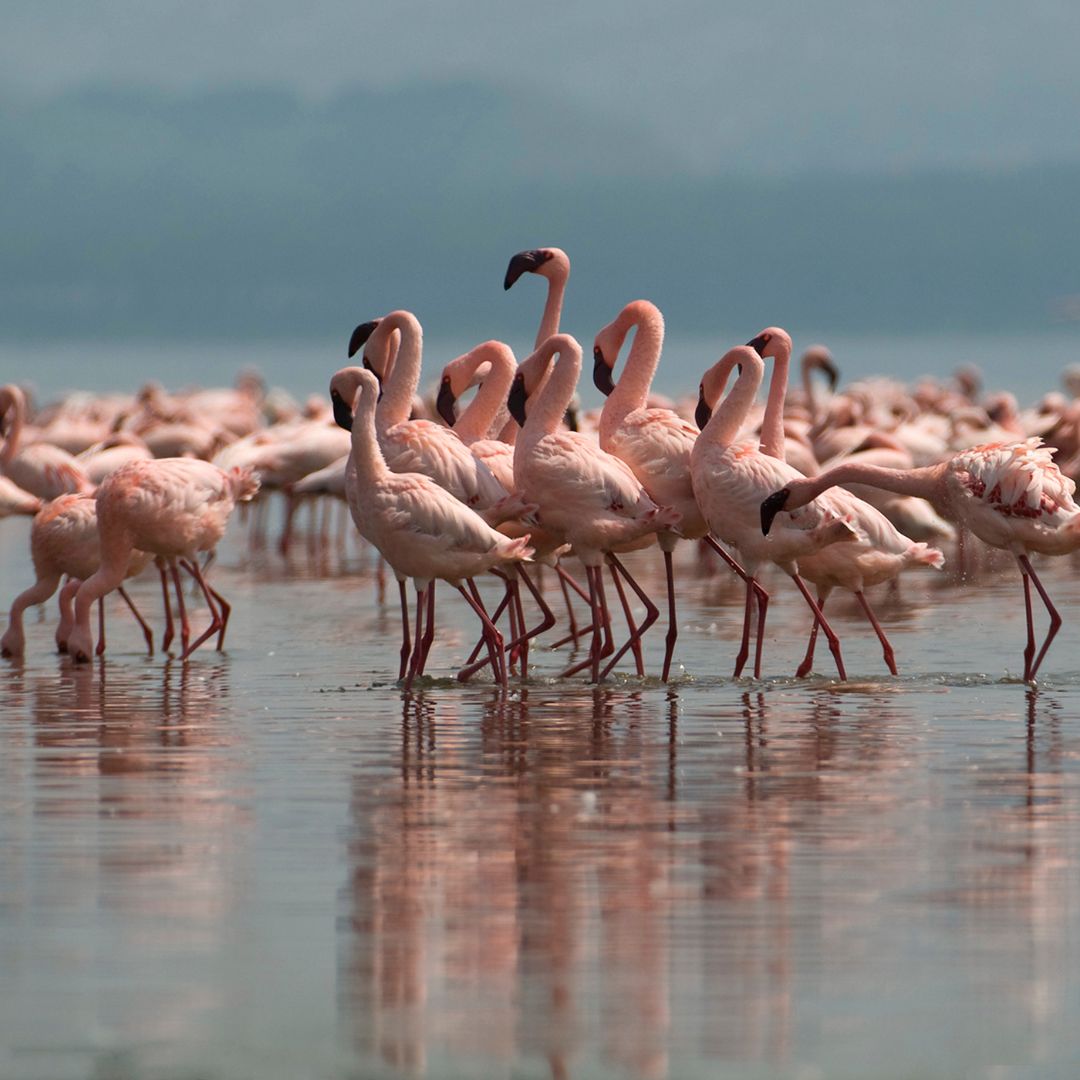
The alkaline lake attracts thousands of flamingos and waterbirds during seasonal migrations. The shoreline constantly changes with rainfall and water levels.
Seasonal flamingo flocks
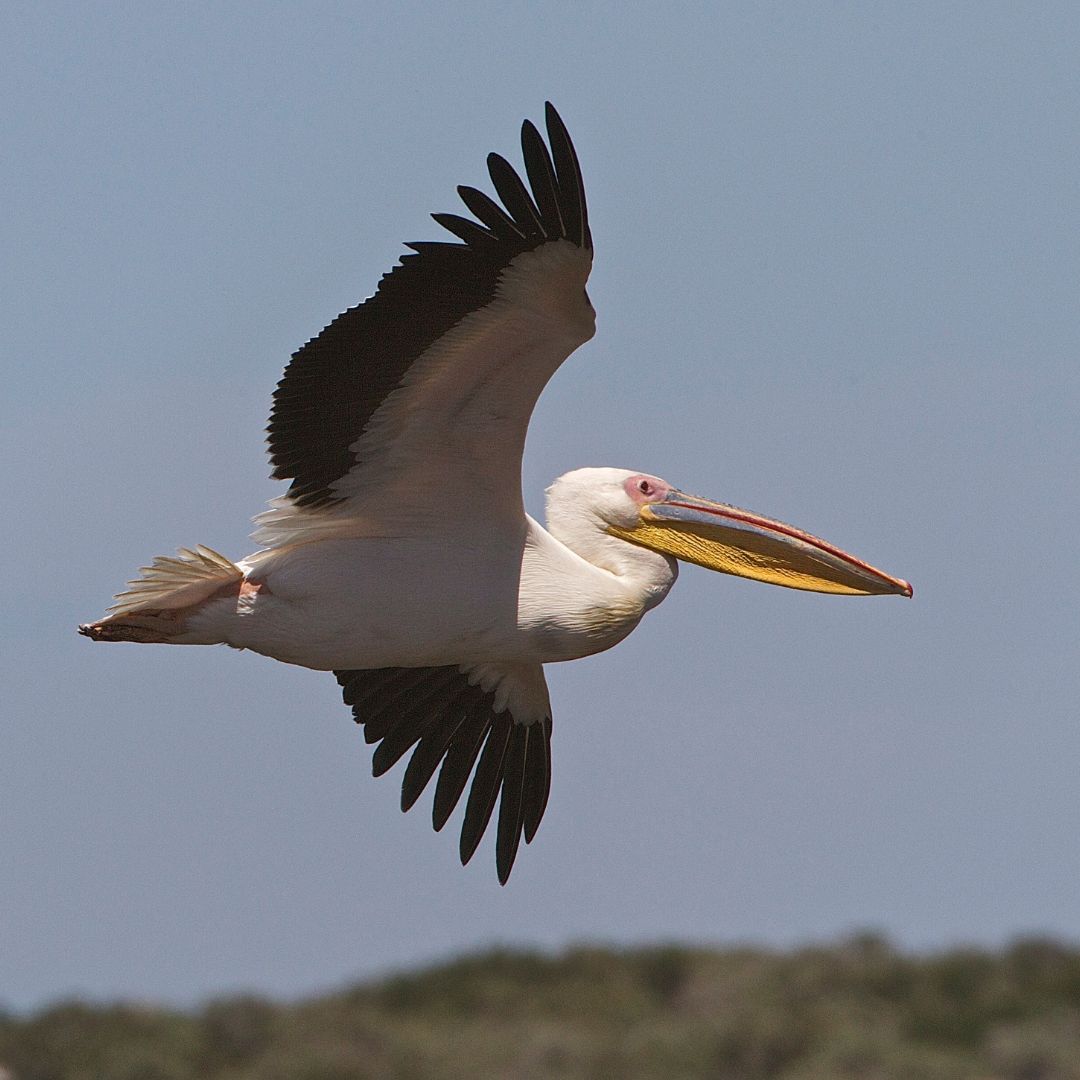
Pelican colonies
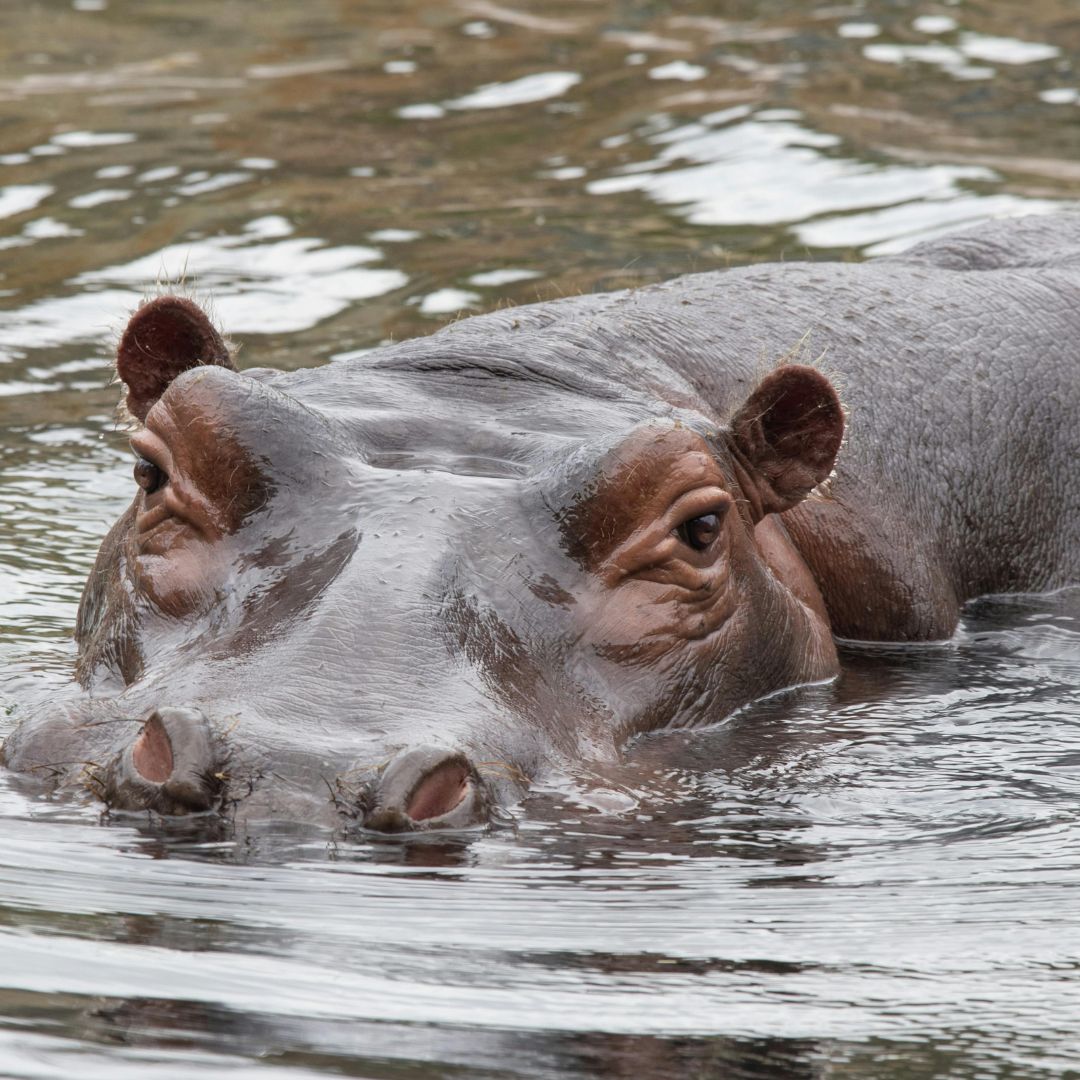
Hippo pools
Scenic lake photography
Acacia Woodlands
Central Manyara
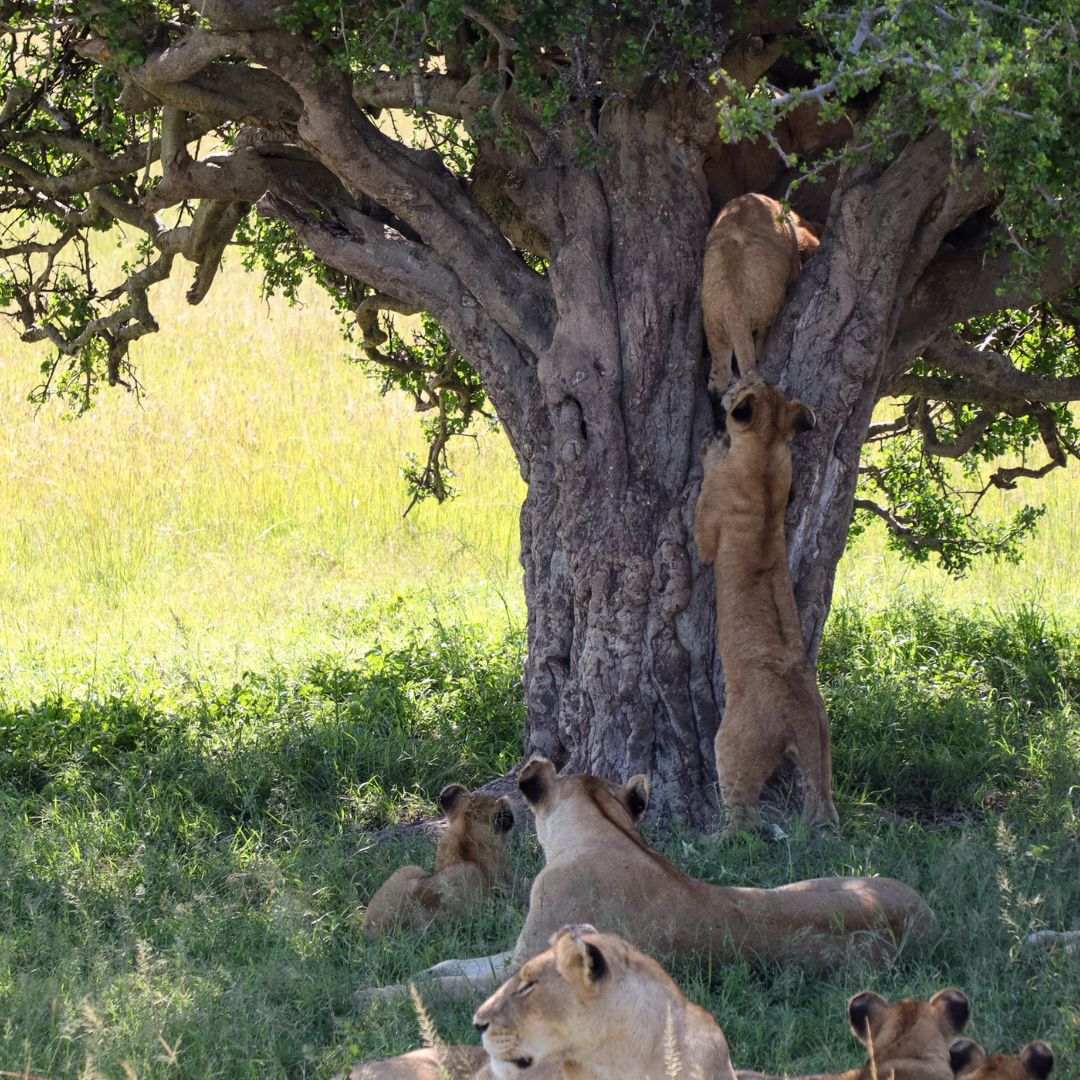
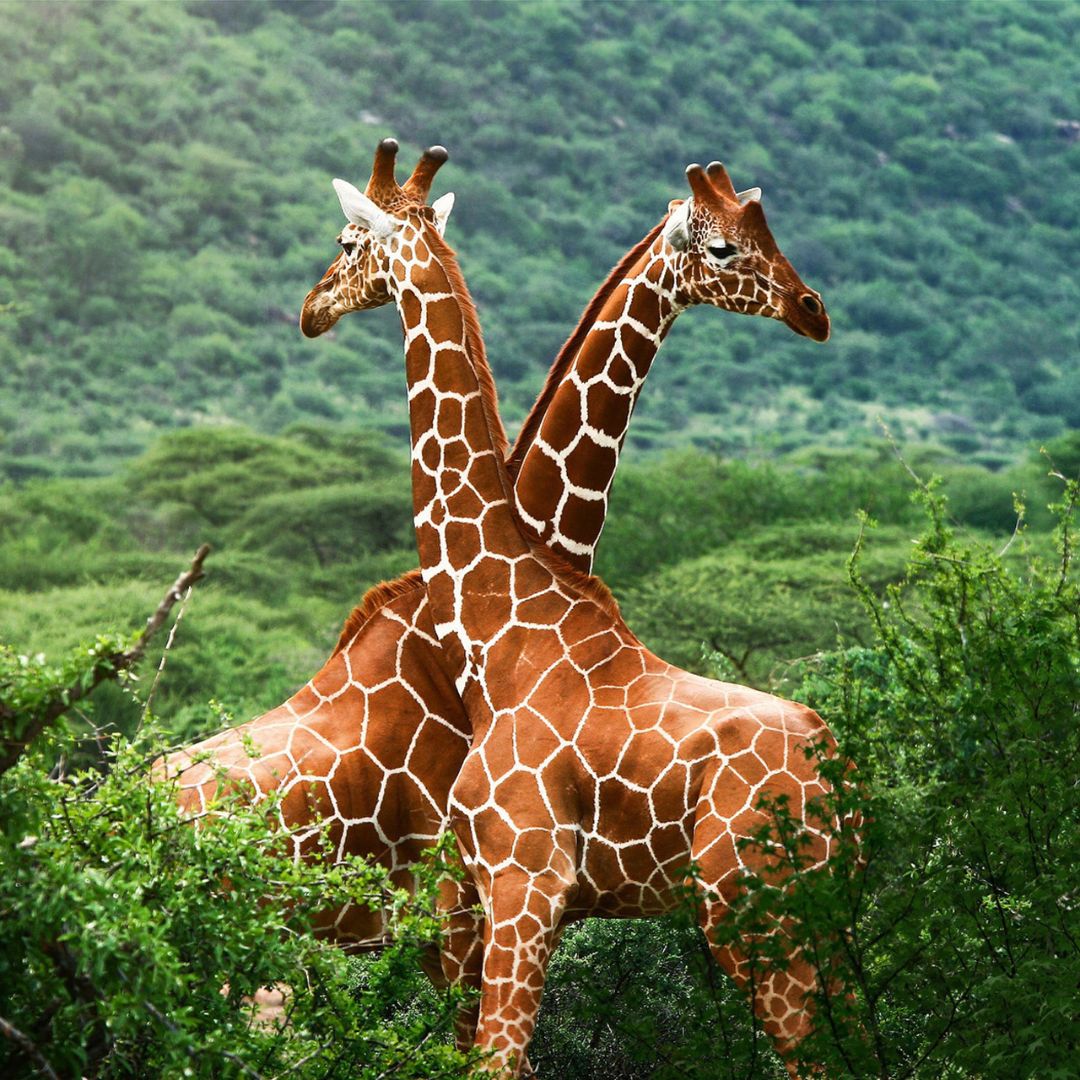
Open woodland habitats support giraffes, zebras, buffalo, and the park’s famous tree-climbing lions that often rest in acacia branches during the heat of the day.
Tree-climbing lions
Acacia woodland safaris
Large herbivore herds
Classic game drives
Maji Moto Springs
Southern Manyara
A quieter southern zone famous for hot springs, marshlands, and remote wildlife viewing away from the main safari circuit.
Hot spring landscapes
Remote safari atmosphere
Wetland birdlife
Excellent photography light
Wildlife of Lake Manyara
Forest Giants & Tree-Climbing Predators
From enormous baboon troops and forest elephants to flamingos and legendary tree-climbing lions, Lake Manyara delivers one of Tanzania’s most unique wildlife experiences.
Tree-Climbing Lions
Manyara’s Iconic Predators
Famous for resting high in acacia branches during the heat of the day.
Elephant
Forest Giants
Large elephants move silently through the lush groundwater forest.
Flamingos
Seasonal Lake Spectacle
Thousands of flamingos paint the lake shoreline pink during migration seasons.
Baboon Troops
Largest in Tanzania
Huge social troops dominate the forest floor near the park entrance.
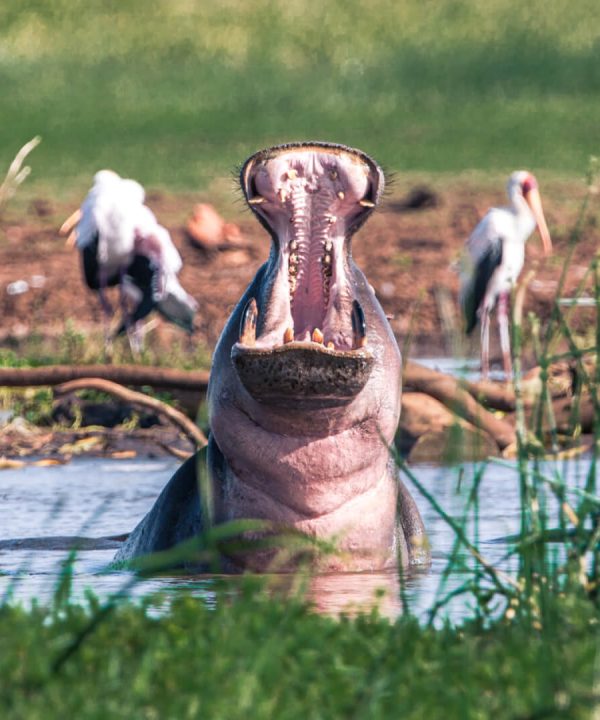
Hippo
Wetland Residents
Hippos gather in pools and marshes surrounding the lake edge.
Giraffe
Woodland Browsers
Elegant giraffes roam the acacia woodland and open clearings.
Pelicans
Lake Manyara Birdlife
Large pelican flocks glide across the shallow alkaline waters.
Maji Moto Springs
Southern Manyara
Natural hot springs create dramatic steam-filled landscapes in the south.
The Rift Valley Oasis
Lake, Forest & Escarment
Lake Manyara compresses an astonishing range of habitats into a relatively small area — from lush jungle-like forest to open grassland and alkaline lake shoreline. This diversity creates one of the highest wildlife densities in Tanzania.
The park is especially famous for its tree-climbing lions and incredible birdlife, but the scenery itself is equally unforgettable: towering Rift Valley cliffs, flamingo-filled waters, giant fig trees, and misty forests fed by underground springs.
Bird Species
400+
Elephants
Large Resident Herds
Flamingos
Seasonal Thousands
Peak Season
Jun – Oct
When to Visit
Lake Manyara by Season
☀️ Jan – Feb
Calving Season
The southern plains explode with newborn wildebeest calves — and the predators that follow them.
🌧️ Mar – May
Long Rains
Green season. Lush landscapes, newborn animals, dramatic skies, and far fewer tourists.
🍃 Jun – Jul
Dry Season
The migration moves north through the Western Corridor. Excellent predator viewing begins.
🔭 Aug – Oct
Peak Migration
Peak season. The northern Serengeti's Mara River crossings are at their most dramatic.
⛈️ Nov – Dec
Short Rains
Short rains refresh the landscape. The migration begins moving south again. Good birding.
Start Planning
Lake Manyara Tours
Safari Tours
3-Day Classic Northern Circuit Safari
3 Days
Crater Wonders & Rift Valley Adventures
From the giant elephant herds and ancient baobab trees of Tarangire to the spectacular wildlife-filled
Tell us your dream safari and our Tanzania-born specialists will craft a tailor-made itinerary — at no obligation. Browse our sample trips for inspiration, or let us start from scratch. Either way, we’ll make it unforgettable.