Tanzania-Born Safari Specialists
Climbing Africa’s highest mountain is not only a physical adventure — it is also a journey that requires proper nutrition, energy, and hydration every step of the way. During your trek on majestic Mount Kilimanjaro, meals play an essential role in helping you stay strong, comfortable, and motivated as you ascend through changing landscapes and altitudes with Kilimanjaro Raven.
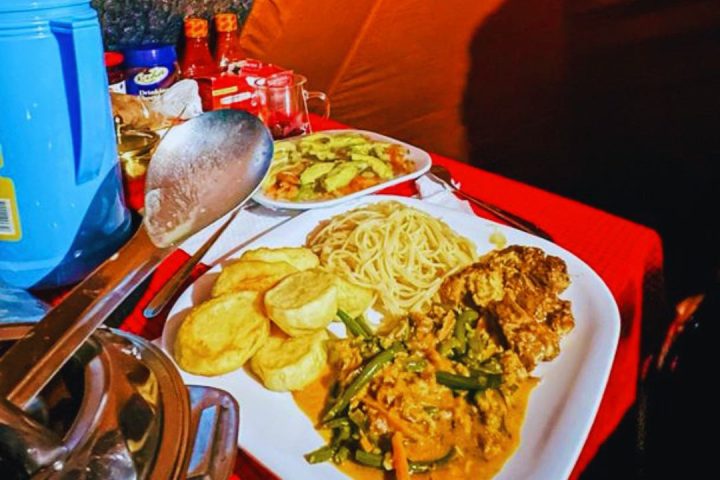
Many first-time climbers are surprised by the quality and variety of food served on the mountain. From warm breakfasts before sunrise to hearty dinners inside your mountain camp, Kilimanjaro meals are carefully prepared to provide energy, warmth, and comfort throughout the trek. Experienced mountain chefs and support teams work hard behind the scenes to ensure every climber enjoys nutritious meals even in remote alpine environments.
While conditions on the mountain are rugged, food on Kilimanjaro is often far better than most climbers expect.
Most Kilimanjaro treks include three hot meals daily, along with snacks, tea, coffee, and drinking water.
Meals are designed to be high in carbohydrates and nutrients to help maintain energy levels at altitude.
As altitude increases, appetite often decreases. Proper nutrition becomes especially important to support acclimatization and physical endurance.
Hydration is equally important, and climbers are encouraged to drink large amounts of purified water daily.
At Kilimanjaro Raven, special dietary needs can usually be accommodated with advance notice, including:
Good meal planning helps ensure comfort and confidence throughout your climb.
Food becomes an important part of your trekking rhythm each day.
Climbers begin the day with a warm breakfast before setting out on the trail.
The Atmosphere: Cool mountain mornings combined with warm meals create a comforting start to the day.
Lunch is usually served at a scenic stop along the route or upon arrival at camp.
Kilimanjaro Raven Tip: Even when appetite decreases at altitude, eating regularly is important for maintaining strength during the climb.
Dinner is one of the most anticipated moments of the day after hours of trekking.
Sharing meals inside the dining tent creates a warm and social atmosphere among climbers and guides.
Summit night is the most demanding stage of the trek and requires extra preparation.
Before the midnight ascent, climbers are usually served:
Cold temperatures and high altitude can reduce appetite, but eating and drinking remain essential for reaching the summit successfully.
Choosing an experienced trekking operator like Kilimanjaro Raven ensures proper meal planning, safe food preparation, and quality support throughout the climb.
To help you plan your Kilimanjaro Raven, use this table to align your travel goals with the movement of the herds.
| Meal Experience | Typical Foods | Best For | Conditions |
|---|---|---|---|
| Breakfast | Eggs, porridge, fruit, tea | Morning energy | Cold mornings |
| Trail Lunch | Sandwiches, fruit, snacks | Midday recovery | Scenic rest stops |
| Dinner | Soup, rice, pasta, vegetables | Recovery & warmth | Cool evenings |
| Summit Snacks | Tea, biscuits, chocolate | Summit energy boost | Freezing temperatures |
Stay Hydrated: Drink plenty of water throughout the trek to help reduce altitude-related discomfort and maintain energy.
Bring Favorite Snacks: Energy bars, chocolates, nuts, or electrolyte supplements can provide additional comfort and motivation during long trekking days.
Eat Even Without Hunger: Altitude may reduce appetite, but your body still needs fuel to continue climbing safely and successfully.
Trust the Mountain Crew: Kilimanjaro cooks and support teams are highly experienced in preparing safe and nourishing meals in challenging mountain conditions.
Responsible Mountain Tourism: At Kilimanjaro Raven, we promote ethical trekking practices that support local mountain crews and help preserve the beauty of Mount Kilimanjaro for future generations.
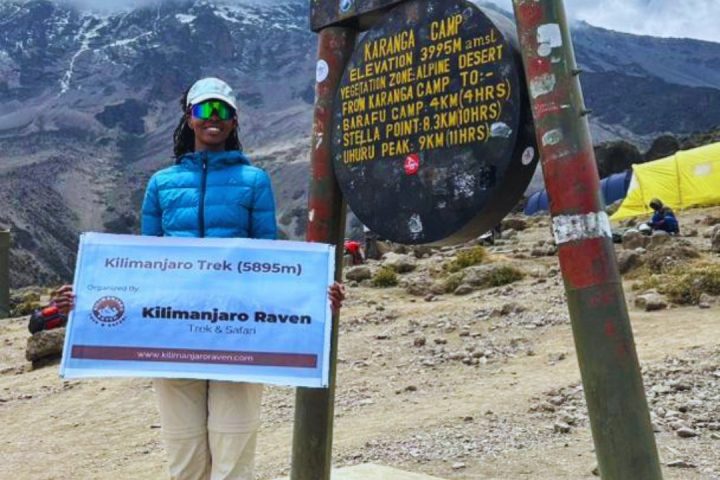
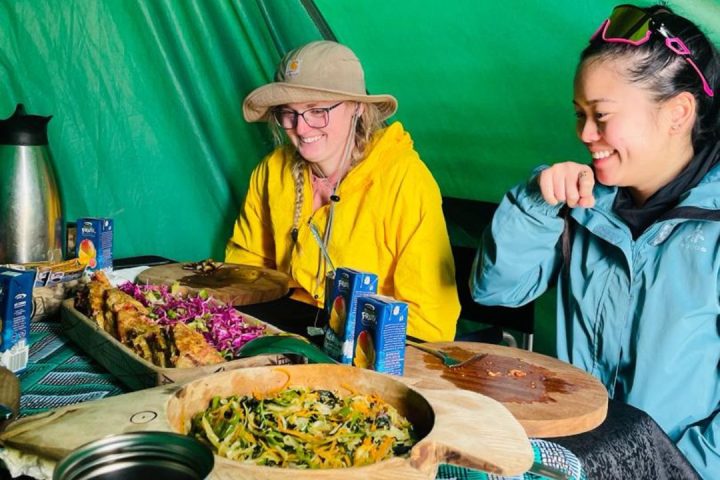
Food on Kilimanjaro is about more than nutrition — it is about comfort, motivation, and maintaining the strength needed to reach Africa’s rooftop. Warm meals after long trekking days create moments of relaxation and encouragement that become an important part of the overall mountain experience.
From hearty breakfasts at sunrise to hot soup beneath the stars, every meal supports your journey toward the summit.
Contact the Kilimanjaro Raven team today to begin planning your unforgettable Kilimanjaro trekking adventure. Our experienced mountain experts are ready to guide you safely, comfortably, and confidently all the way to the summit.