
Mount Kilimanjaro is one of the world’s most iconic peaks, attracting thousands of climbers every year. While it’s generally safe, accidents, medical emergencies, and sudden weather changes can occur, making helicopter rescue protocols a vital part of Kilimanjaro expeditions.
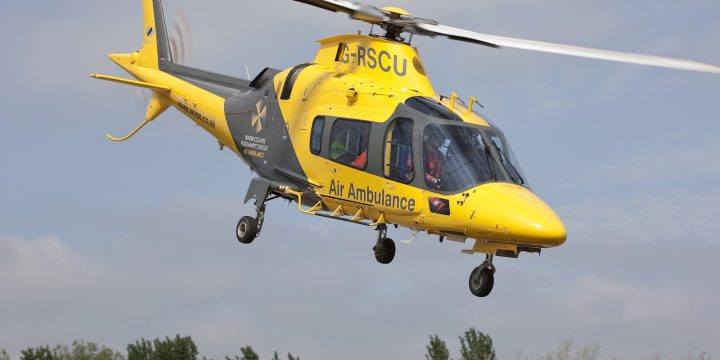
Helicopter rescue is a rapid-response service designed to evacuate climbers or hikers from dangerous or inaccessible areas of Kilimanjaro. These operations are coordinated by trained pilots, mountain rescue teams, and medical professionals to ensure climbers get immediate help.
A helicopter rescue can save lives, especially when ground evacuation is impossible due to steep terrain, altitude sickness, or sudden health crises.
Helicopter rescues on Kilimanjaro typically follow a structured protocol:
Emergency Reporting: The first step is notifying local authorities or your trekking operator of the emergency via radio, phone, or satellite device.
Assessment & Dispatch: Rescue teams evaluate the situation, checking weather, terrain, and the climber’s condition before dispatching a helicopter.
Rescue Operation: A helicopter equipped with medical personnel flies to the location. Pilots may perform hovering maneuvers to winch climbers or land at a safe point nearby.
Medical Stabilization: Onboard paramedics provide immediate care, such as oxygen for altitude sickness or treatment for injuries.
Evacuation to Safety: The helicopter transports the climber to a hospital, clinic, or base camp for further medical treatment.
Follow-Up: Rescue teams ensure the climber’s condition is stable and investigate the incident to improve future operations.
Several scenarios can require urgent air evacuation on Kilimanjaro:
Altitude Sickness (Acute Mountain Sickness, HAPE, HACE): High-altitude conditions can become life-threatening if not treated immediately.
Injuries from Falls or Slips: Steep slopes and rocky paths increase the risk of fractures or severe sprains.
Medical Emergencies: Heart attacks, severe dehydration, or sudden illnesses may require rapid evacuation.
Extreme Weather: Sudden storms, heavy rains, or fog can leave climbers stranded or at risk.
Exhaustion or Inability to Continue: Some climbers may become too weak to descend safely.
Altitude-related illness – by far the most frequent cause.
Trauma from slips or accidents – broken bones, cuts, or head injuries.
Severe dehydration or exhaustion – especially on longer treks.
Pre-existing medical conditions – heart or respiratory issues exacerbated by high altitude.
Stranded due to weather – sudden storms or snow blocking paths.
Helicopter rescues on Kilimanjaro are specialized operations and can be expensive. Costs vary depending on distance, altitude, and complexity:
Short-distance rescues: $1,000–$2,500
High-altitude or complex rescues: $3,000–$5,000 or more
Medical care during evacuation: Additional charges may apply depending on services required
Many climbers include helicopter rescue coverage in their mountaineering insurance, which can offset these costs. However, it’s important to plan ahead and know the procedures.
While most Kilimanjaro climbs are safe, helicopter rescues provide an essential safety net for emergencies. Understanding how rescues work, when they might be needed, and the potential costs ensures that climbers are prepared for unexpected situations.
Being informed about helicopter rescue protocols gives climbers and guides the confidence to enjoy the climb while staying safe.
We use international standard equipment, and our guides are trained in first aid and equipped with personal protection gear.
Once a tour is booked, it is guaranteed to operate, even if there is only one client for the entire trip.
Our guides are trained to attend to each client's needs and adjust the program to ensure a personalized experience.