Breakfast
Breakfast is designed to give you energy for the day’s climb:
Hot porridge or oatmeal with milk, honey, or fruits
Eggs cooked to your preference
Bread, toast, or pancakes
Hot drinks like tea, coffee, or hot chocolate
Lunch
Lunch is usually a light but filling meal to maintain energy:
Sandwiches or wraps with cheese, eggs, or meats
Soups with vegetables or noodles
Rice or pasta with mild sauces
Fruits for vitamins and hydration
Dinner
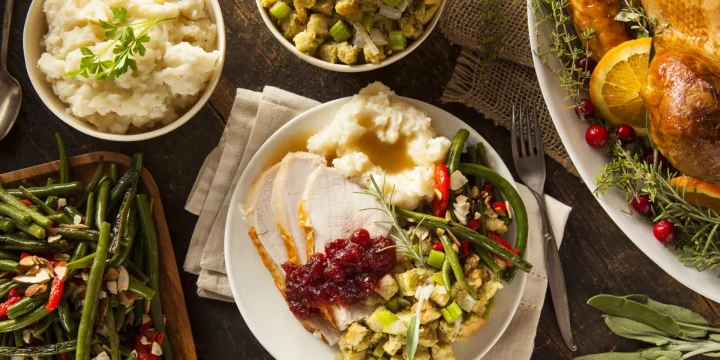
After a long day of trekking, dinner is hearty and warm:
Stews or curries with chicken, beef, or vegetables
Rice, potatoes, or pasta for carbohydrates
Fresh vegetables when available
Tea, hot chocolate, or soup to warm you up before bed
During the climb, small snacks are essential to keep your energy steady:
Energy bars or granola bars
Nuts and dried fruits
Chocolate or sweets for quick energy boosts
Biscuits or crackers
Many trekking companies provide these, but you can also carry your preferred snacks to ensure variety.
Staying hydrated is critical, especially at high altitudes:
Drink 2–3 liters of water daily, depending on activity and weather
Herbal teas or electrolyte drinks can help prevent dehydration
Some trekking routes provide boiled water; in other cases, purified water tablets are used
Most Kilimanjaro operators can accommodate vegetarian, vegan, or gluten-free diets, but it’s important to inform your tour operator in advance. Some ingredients may be limited due to logistics, but experienced chefs usually find ways to provide tasty alternatives.
As you approach higher altitudes (alpine desert and summit zones):
Appetite often decreases, but calorie needs increase
Meals focus on easy-to-digest carbs and soups
Snacks and hot drinks help maintain energy and warmth
Lightweight, high-calorie foods such as nuts, chocolate, and instant noodles are popular
Eat small, frequent meals rather than large portions
Stay hydrated alongside eating
Listen to your body: even if you’re not very hungry, small snacks are essential
Bring some personal favorites like chocolate or energy gels
Avoid alcohol during the trek, especially at high altitude
Food on Mount Kilimanjaro is more than just fuel — it’s a part of the experience. From hot porridge in the rainforest zone to hearty stews near base camp, meals are carefully planned to support climbers’ energy needs, aid acclimatization, and provide comfort. By understanding what to expect and preparing accordingly, climbers can focus on the climb while enjoying nutritious and satisfying meals along the way.
We use international standard equipment, and our guides are trained in first aid and equipped with personal protection gear.
Once a tour is booked, it is guaranteed to operate, even if there is only one client for the entire trip.
Our guides are trained to attend to each client's needs and adjust the program to ensure a personalized experience.